
← Back to Blue Tongue Skink
Reptile Vault
Care Sheet
Generated May 18, 2026
reptilevault.com

Blue Tongue Skink

Tiliqua scincoides

Blue tongue skinks are chunky, personable lizards known for their distinctive bright blue tongue used as a startling defense display against predators. This species complex includes several subspecies from Australia and Indonesia, each with different care requirements - particularly regarding humidity. Northern blue tongue skinks from Australia prefer drier conditions around 30-40% humidity, while Indonesian species like Merauke and Irian Jaya require higher humidity at 60-80%. These robust lizards have smooth scales, stumpy legs, and expressive faces that give them almost dog-like charm and personality. Blue tongue skinks are excellent handleable pets that tolerate interaction well once tame, though they may huff, hiss, and display their blue tongue when initially startled.
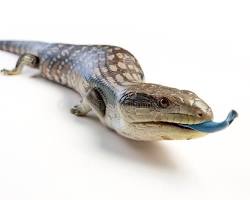
Blue Tongue Skink
Quick Facts
Care Level
intermediate
Adult Size
18-24 inches
Lifespan
15-20 years
Diet Type
omnivore
Activity
diurnal
Temperament
docile
Group
lizard
Origin
Australia (Northern), Indonesia (various species)
🌱

Beginner Suitability

First Reptile?with research
Beginner Score7/10
Beginner Warnings
Humidity varies by species; dietary variety needed
🤚

Temperament & Handling

Temperamentdocile
Handling Toleranceexcellent
Handling Notes
Very handleable once tame. Support full body. May huff/hiss when startled.
🌡️

Temperature & Humidity

Temperature
Basking105°F
Ambient80°F
Night70°F
Basking surface temps 100-115°F depending on species.
Humidity
Target Range30% – 60%
Australian: 30-40%; Indonesian: 60-80%. Species dependent.
💡

Lighting & UVB

UVB RequiredYes — Required
Target UVI3.0-4.0
Lighting Notes
Ferguson Zone 2-3. Diurnal baskers benefit strongly from UVB. T5 HO 10-12%.
🏠

Enclosure

Minimum Size4x2x2 ft
Recommended Size6x2x2 ft
Enclosure Typeterrestrial
🪨

Substrate & Environment

Substrate TypeCypress mulch, coconut fiber, or bioactive. Australian species: drier mix
Substrate Depth3-4 inches for burrowing
Water Featureno
Water Notes
Water dish large enough to soak. Change frequently.
🦎

Activity & Behavior

Activity Patterndiurnal
Social Behaviorsolitary
Cohabitation
Do not cohabitate; territorial and will fight
Blue Tongue Skink
Care Sheet — Diet & Nutrition
🍽️

Diet & Nutrition

Diet Typeomnivore
Feeding FrequencyEvery 2-3 days for adults; daily for juveniles
Diet Notes
50% protein (insects, lean meat, eggs), 40% vegetables, 10% fruit. Variety essential.
💊 Supplementation Schedule

Calcium without D3 most feedings with proper UVB. D3 1-2x weekly if no UVB.

✅ Recommended Foods
FoodCategoryCa:PUsage
Collard Greensleafy9.3staple
Black Soldier Fly Larvaeinsect7staple
Mulberry Leafleafy5staple
Turnip Greensleafy4.5staple
🚫 Foods to Avoid
FoodToxicityCategory
Avocado☠️ fatalfruit
Fireflies☠️ fatalinsect
Foxglove☠️ fatalflower
Garlic☠️ fatalvegetable
Blue Tongue Skink
Care Sheet — Health & More
⚕️

Health & Critical Care

Metabolic bone disease, parasites, respiratory infections, obesity, scale rot
Health Notes
Obesity common from overfeeding. Watch body condition.
🥚

Breeding

Difficultymoderate
SeasonAfter cooling period
Clutch Size5-25 live young
Incubation100-150 days gestation
Sexual Dimorphism
moderate
Breeding Notes
Live bearing. Cooling period triggers breeding. Separate after mating.
💰

Cost & Availability

Price Rangemoderate
Availabilitycommon
🌍

Native Habitat

Native RegionAustralia (Northern), Indonesia (various species)
Habitat Typegrassland
Climate Notes
Varies by species; Australian species drier; Indonesian wetter
📋

Legal & Conservation

Conservation StatusLeast Concern
Legal Restrictions
Australian species protected from export

Looks good? Hit Cmd+P (Mac) or Ctrl+P (Windows) to save as PDF.

← Back to Blue Tongue Skink