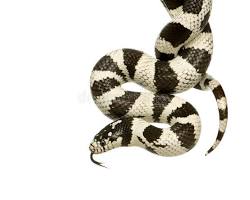
Quick Facts
Origin
Western United States and Mexico
🌱
Beginner Suitability
First Reptile?yes
Beginner Score9/10
⚠ Beginner Warnings
Must ALWAYS be housed alone (will eat other snakes), juveniles can be nippy but improve with handling, escape artists needing secure enclosures
🤚
Temperament & Handling
Temperamentdocile
Handling Toleranceexcellent
Handling NotesVery handleable once past nippy juvenile stage. Juveniles may musk and bite but calm quickly with regular handling. Adults are calm and docile. Active snakes that enjoy exploring during handling.
🌡️
Temperature & Humidity
Temperature
Basking88°F
Ambient78°F
Night68°F
Basking spot 85-90°F, cool side 72-78°F. Night temps can drop to 65-70°F. Standard temperature gradient.
Humidity
Target Range40% – 60%
Moderate humidity 40-60%. Slightly higher during shedding. Not a high-humidity species.
💡
Lighting & UVB
UVB RequiredYes — Required
Target UVI2.0-3.0
Lighting NotesFerguson Zone 1-2. Low-output UVB is beneficial but optional. Standard lighting for day/night cycles.
🏠
Enclosure
Minimum Size40 gallon (36x18x18)
Recommended Size4x2x2 ft
Enclosure Typeterrestrial
🪨
Substrate & Environment
Substrate TypeAspen, coconut fiber, or cypress mulch. These snakes like to burrow so provide adequate substrate depth.
Substrate Depth2-4 inches for burrowing
Water Featureno
Water NotesStandard water bowl changed every 1-2 days. Nothing special required for hydration.
🦎
Activity & Behavior
Activity Patterncrepuscular
Social Behaviorsolitary
CohabitationMUST be housed alone - absolutely never with other snakes. Kingsnakes are ophiophagous (snake-eaters) and will kill and eat cage mates. This is non-negotiable.
🍽️
Diet & Nutrition
Diet Typecarnivore
Feeding FrequencyEvery 7-10 days for adults; every 5-7 days for juveniles
Diet NotesFrozen-thawed mice and rats depending on snake size. Excellent feeding response - rarely refuse food. Do not feed other snakes even though they would naturally eat them.
💊 Supplementation Schedule
Not required when feeding whole prey.
✅ Recommended Foods
| Food | Category | Ca:P | Usage |
|---|
| Pinky Mouse | whole_prey | 1.5 | staple |
| Fuzzy Mouse | whole_prey | 1.5 | staple |
| Hopper Mouse | whole_prey | 1.5 | staple |
| Weaned Rat | whole_prey | 1.5 | staple |
🚫 Foods to Avoid
| Food | Toxicity | Category |
|---|
| Avocado | ☠️ fatal | fruit |
| Fireflies | ☠️ fatal | insect |
| Foxglove | ☠️ fatal | flower |
| Garlic | ☠️ fatal | vegetable |
⚕️
Health & Critical Care
Respiratory infections, mites, scale rot, regurgitation, IBD (rare)
Health NotesVery hardy species with few health problems when husbandry is correct. Regurgitation usually indicates handling too soon after feeding or incorrect temperatures.
🥚
Breeding
Difficultyeasy
SeasonSpring after brumation
Clutch Size6-24 eggs
Incubation55-75 days at 78-84°F
Sexual Dimorphismmoderate
Breeding NotesBrumation (2-3 months at 50-55°F) triggers breeding. Large clutch sizes. Easy to breed with proper cycling.
✨
Available Morphs
Normal Banded, Striped, Aberrant, Albino, Lavender, Banana, Chocolate, High White, Mosaic, 50/50, Desert Phase
💰
Cost & Availability
Price Rangebudget
Availabilitycommon
🌍
Native Habitat
Native RegionWestern United States and Mexico
Habitat Typesemi arid
Climate NotesVaried habitats from deserts to grasslands to forests. Highly adaptable species found in diverse environments.
📋
Legal & Conservation
Conservation StatusLeast Concern
Legal RestrictionsNone - abundant native species
Looks good? Hit Cmd+P (Mac) or Ctrl+P (Windows) to save as PDF.