
← Back to Corn Snake
Reptile Vault
Care Sheet
Generated May 18, 2026
reptilevault.com

Corn Snake

Pantherophis guttatus

The corn snake is widely considered the perfect beginner snake and one of the best pet reptiles overall for keepers of any experience level. Native to the southeastern and central United States, these beautiful colubrids are named for the corn-like pattern on their bellies or their tendency to hunt rodents in corn fields. Corn snakes are available in an incredible variety of color morphs ranging from brilliant oranges and reds to lavender, snow white, and everything in between. What makes them truly ideal for beginners is their forgiving nature - they tolerate minor husbandry mistakes better than many species, rarely refuse food, and have calm temperaments that make handling a pleasure. They are also excellent escape artists, so a secure enclosure with a tight-fitting lid is essential.
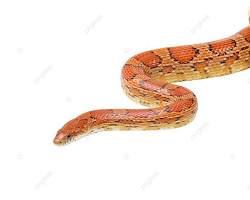
Corn Snake
Quick Facts
Care Level
beginner
Adult Size
3-5 feet
Lifespan
15-20+ years
Diet Type
carnivore
Activity
crepuscular
Temperament
docile
Group
snake
Origin
Southeastern and Central United States
🌱

Beginner Suitability

First Reptile?yes
Beginner Score10/10
Beginner Warnings
One of easiest snakes to care for; tolerant of beginner mistakes
🤚

Temperament & Handling

Temperamentdocile
Handling Toleranceexcellent
Handling Notes
Generally calm and handleable. Support full body. Wait 48 hours after feeding.
🌡️

Temperature & Humidity

Temperature
Basking89°F
Ambient78°F
Night70°F
Tolerant of cool temperatures. Night drop is natural and healthy.
Humidity
Target Range40% – 50%
Moderate humidity. Increase slightly during shedding.
💡

Lighting & UVB

UVB RequiredYes — Required
Target UVI2.0-3.0
Lighting Notes
Ferguson Zone 1-2. Shade-dweller to occasional basker. 5-6% T5 UVB beneficial. Recent studies show improved health with UVB.
🏠

Enclosure

Minimum Size4x2x2 ft
Recommended Size4x2x2 ft or larger
Enclosure Typeterrestrial
🪨

Substrate & Environment

Substrate TypeAspen, coconut fiber, or bioactive mix
Substrate Depth2-4 inches
Water Featureno
Water Notes
Water bowl large enough to soak in. Change frequently.
🦎

Activity & Behavior

Activity Patterncrepuscular
Social Behaviorsolitary
Cohabitation
Never cohabitate; causes stress and feeding competition
Corn Snake
Care Sheet — Diet & Nutrition
🍽️

Diet & Nutrition

Diet Typecarnivore
Feeding FrequencyEvery 7-10 days for adults; every 5-7 days for juveniles
Diet Notes
Appropriately sized rodents. Frozen-thawed recommended for safety.
💊 Supplementation Schedule

Not required if feeding whole prey, but calcium dusting occasionally doesn't hurt.

✅ Recommended Foods
FoodCategoryCa:PUsage
African Soft Fur Ratwhole_prey1.5staple
Fuzzy Mousewhole_prey1.5staple
Hopper Mousewhole_prey1.5staple
Weaned Ratwhole_prey1.5staple
🚫 Foods to Avoid
FoodToxicityCategory
Avocado☠️ fatalfruit
Fireflies☠️ fatalinsect
Foxglove☠️ fatalflower
Garlic☠️ fatalvegetable
Corn Snake
Care Sheet — Health & More
⚕️

Health & Critical Care

Respiratory infections, mites, scale rot, regurgitation, IBD
Health Notes
Generally hardy species. Watch for regurgitation which indicates husbandry issues.
🥚

Breeding

Difficultyeasy
SeasonSpring after brumation
Clutch Size12-24 eggs
Incubation60-65 days
Sexual Dimorphism
moderate
Breeding Notes
Requires brumation (2-3 months at 50-55°F) to trigger breeding.

Available Morphs

Normal, Amelanistic, Anerythristic, Snow, Lavender, Palmetto, Scaleless

💰

Cost & Availability

Price Rangebudget
Availabilitycommon
🌍

Native Habitat

Native RegionSoutheastern and Central United States
Habitat Typegrassland
Climate Notes
Temperate with seasonal variation; cool winters
📋

Legal & Conservation

Conservation StatusLeast Concern

Looks good? Hit Cmd+P (Mac) or Ctrl+P (Windows) to save as PDF.

← Back to Corn Snake