
← Back to Crested Gecko
Reptile Vault
Care Sheet
Generated May 18, 2026
reptilevault.com

Crested Gecko

Correlophus ciliatus

The crested gecko is arguably the easiest reptile to care for, making it perfect for first-time keepers and experienced hobbyists alike. Once thought extinct, this New Caledonian species was rediscovered in 1994 and has since become one of the most popular pet geckos worldwide. Crested geckos are named for the distinctive crest running from their eyes down their back, giving them an eyelash-like appearance. They are unique among geckos in that they can thrive on prepared powdered diets (CGD) without ever needing live insects, though insects can be offered as enrichment. These arboreal geckos are heat-sensitive and prefer cooler temperatures than most tropical reptiles - never above 85°F - making them ideal for homes without specialized heating equipment.
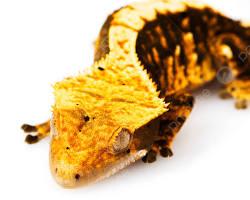
Crested Gecko
Quick Facts
Care Level
beginner
Adult Size
6-10 inches
Lifespan
15-20 years
Diet Type
omnivore
Activity
crepuscular
Temperament
docile
Group
lizard
Origin
New Caledonia
🌱

Beginner Suitability

First Reptile?yes
Beginner Score10/10
Beginner Warnings
Cannot tolerate high temps; sensitive to heat
🤚

Temperament & Handling

Temperamentdocile
Handling Tolerancemoderate
Handling Notes
Handle close to ground - they jump! Support full body. Can drop tail permanently.
🌡️

Temperature & Humidity

Temperature
Basking84°F
Ambient75°F
Night68°F
Cannot tolerate temps above 85°F - can be fatal. Prefer cooler temps than most reptiles.
Humidity
Target Range60% – 80%
Higher humidity species. Mist 2x daily. Allow dry periods to prevent mold.
💡

Lighting & UVB

UVB RequiredYes — Required
Target UVI0.7-1.0
Lighting Notes
Ferguson Zone 1. Low-output UVB: Arcadia ShadeDweller or 2-5% UVB. Benefits mental and physical health even for nocturnal species.
🏠

Enclosure

Minimum Size18x18x24 in vertical
Recommended Size24x18x36 in vertical
Enclosure Typearboreal
🪨

Substrate & Environment

Substrate TypeBioactive mix, coconut fiber, or paper towels
Substrate Depth2-4 inches for bioactive
Water Featureno
Water Notes
Misting provides drinking water on leaves. No standing water bowl needed but can be offered.
🦎

Activity & Behavior

Activity Patterncrepuscular
Social Behaviorsolitary
Cohabitation
Generally no; males will fight. Female groups possible with caution in large enclosures.
Crested Gecko
Care Sheet — Diet & Nutrition
🍽️

Diet & Nutrition

Diet Typeomnivore
Feeding FrequencyEvery other day for CGD; insects 1-2x weekly optional
Diet Notes
Prepared crested gecko diet (CGD) is complete nutrition. Insects as enrichment. Fruit as occasional treat.
💊 Supplementation Schedule

Calcium without D3 most feedings (CGD contains calcium). Multivitamin 1-2x monthly if using UVB.

✅ Recommended Foods
FoodCategoryCa:PUsage
Collard Greensleafy9.3staple
Black Soldier Fly Larvaeinsect7staple
Mulberry Leafleafy5staple
Turnip Greensleafy4.5staple
🚫 Foods to Avoid
FoodToxicityCategory
Avocado☠️ fatalfruit
Fireflies☠️ fatalinsect
Foxglove☠️ fatalflower
Garlic☠️ fatalvegetable
Crested Gecko
Care Sheet — Health & More
⚕️

Health & Critical Care

Metabolic bone disease, floppy tail syndrome, stuck shed, respiratory infections, tail loss
Health Notes
Dropped tails do not regenerate. Watch for lethargy and weight loss.
🥚

Breeding

Difficultyeasy
SeasonYear-round in captivity
Clutch Size2 eggs per clutch; 6-8 clutches per year
Incubation60-90 days
Sexual Dimorphism
low
Breeding Notes
Easy to breed. Pairs or trios work. Separate gravid females.

Available Morphs

Normal, Harlequin, Flame, Pinstripe, Dalmatian, Lilly White

💰

Cost & Availability

Price Rangemoderate
Availabilitycommon
🌍

Native Habitat

Native RegionNew Caledonia
Habitat Typerainforest
Climate Notes
Humid tropical with cooler temperatures than most tropical species
📋

Legal & Conservation

Conservation StatusVulnerable
CITES Listingappendix ii
Legal Restrictions
Captive bred only; wild collection prohibited

Looks good? Hit Cmd+P (Mac) or Ctrl+P (Windows) to save as PDF.

← Back to Crested Gecko