
Reptile Vault
Care Sheet
Generated May 18, 2026
reptilevault.com
Garter Snake
Thamnophis sirtalis
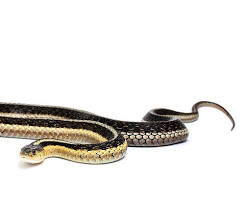
Garter snakes are among the most common snakes in North America, and they make surprisingly excellent pets for keepers wanting an active, alert species. Unlike most pet snakes, garter snakes can be kept in groups, are diurnal so you can watch them during the day, and have varied diets including fish, worms, and amphibians. They stay small at 2-4 feet, are cold-tolerant, and adapt well to captivity. Garter snakes are more active than many pet snakes. While wild-caught may musk defensively, captive-bred specimens are typically calm and handleable.
Quick Facts
Care Level
beginner
Adult Size
2-4 feet
Lifespan
10-15 years
Diet Type
carnivore
Activity
diurnal
Temperament
active
Group
snake
Origin
North America
Beginner Suitability
First Reptile?yes
Beginner Score8/10
⚠ Beginner Warnings
Higher feeding frequency, dietary variety needed, buy captive-bred
Temperament & Handling
Temperamentactive
Handling Tolerancegood
Handling Notes
Captive-bred are calm. Wild-caught may musk. More active during handling.
Temperature & Humidity
Temperature
Basking88°F
Ambient75°F
Night65°F
Basking 85-90°F, cool side 70-75°F. Night can drop to 60-65°F.
Humidity
Target Range40% – 60%
Moderate humidity 40-60%.
Lighting & UVB
UVB RequiredYes — Required
Target UVI1.0-2.0
Lighting Notes
Ferguson Zone 2. Diurnal species benefits from UVB.
Enclosure
Minimum Size20 gallon long
Recommended Size40 gallon for groups
Enclosure Typeterrestrial
Substrate & Environment
Substrate TypeCoconut fiber or cypress mulch.
Substrate Depth2-3 inches
Water Featureyes
Water Notes
Large water bowl - garters enjoy soaking and may hunt fish.
Activity & Behavior
Activity Patterndiurnal
Social Behaviorcolonial
Cohabitation
Can be housed in groups with adequate space.
Garter Snake
Care Sheet — Diet & Nutrition
Diet & Nutrition
Diet Typecarnivore
Feeding FrequencyEvery 4-5 days adults (higher metabolism)
Diet Notes
Fish (salmon, tilapia - avoid goldfish), earthworms, pinky mice. Variety beneficial.
💊 Supplementation Schedule
Calcium 2-3x weekly. Thiamine if fish-heavy diet.
✅ Recommended Foods
| Food | Category | Ca:P | Usage |
|---|---|---|---|
| Pinky Mouse | whole_prey | 1.5 | staple |
| Fuzzy Mouse | whole_prey | 1.5 | staple |
| Hopper Mouse | whole_prey | 1.5 | staple |
| Weaned Rat | whole_prey | 1.5 | staple |
🚫 Foods to Avoid
| Food | Toxicity | Category |
|---|---|---|
| Avocado | ☠️ fatal | fruit |
| Fireflies | ☠️ fatal | insect |
| Foxglove | ☠️ fatal | flower |
| Garlic | ☠️ fatal | vegetable |
Garter Snake
Care Sheet — Health & More
Health & Critical Care
Thiamine deficiency, parasites, respiratory infections
Health Notes
Thiamine deficiency from goldfish. Buy captive-bred to avoid parasites.
Breeding
Difficultyeasy
SeasonSpring after brumation
Clutch Size10-40 live young
Incubation2-3 months gestation
Sexual Dimorphism
moderate
Breeding Notes
Live-bearing. Large litters. Easy to breed.
Available Morphs
Normal, Albino, Flame, Snow, Erythristic
Cost & Availability
Price Rangebudget
Availabilitycommon
Native Habitat
Native RegionNorth America
Habitat Typegrassland
Climate Notes
Highly adaptable. Cold-tolerant.
Legal & Conservation
Conservation StatusLeast Concern
Legal Restrictions
Some subspecies protected locally.
Looks good? Hit Cmd+P (Mac) or Ctrl+P (Windows) to save as PDF.