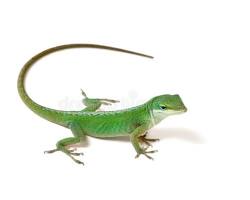
Quick Facts
Adult Size
5-8 inches (including tail)
Origin
Southeastern United States
🌱
Beginner Suitability
First Reptile?no
Beginner Score5/10
⚠ Beginner Warnings
Cheap but needs specialized care, high humidity essential, not a handling pet, short lifespan, often sold in poor health
🤚
Temperament & Handling
Temperamentskittish
Handling Toleranceminimal
Handling NotesStress easily with handling. Fast and fragile. Best as display animals. Can drop tails (regenerate but different).
🌡️
Temperature & Humidity
Temperature
Basking90°F
Ambient78°F
Night68°F
Basking spot 85-90°F, ambient 75-80°F. Night 65-70°F.
Humidity
Target Range60% – 70%
Higher humidity 60-70% essential. Mist 2x daily. Dehydration is common killer.
💡
Lighting & UVB
UVB RequiredYes — Required
Target UVI1.0-2.0
Lighting NotesFerguson Zone 2. Diurnal basking species needing UVB. T5 5% or compact UVB.
🏠
Enclosure
Minimum Size10 gallon vertical
Recommended Size18x18x24 vertical
Enclosure Typearboreal
🪨
Substrate & Environment
Substrate TypeCoconut fiber, soil mix, or bioactive. Needs humidity retention.
Substrate Depth2-3 inches
Water Featureno
Water NotesMisting essential - drink droplets from leaves. Water dish often ignored.
🦎
Activity & Behavior
Activity Patterndiurnal
Social Behaviorsolitary
CohabitationMales are highly territorial - never house together. One male with multiple females possible in large enclosure. Watch for bullying.
🍽️
Diet & Nutrition
Diet Typeinsectivore
Feeding FrequencyDaily for adults; 2x daily for juveniles
Diet NotesSmall insects only - crickets, small roaches, fruit flies for babies. Size-appropriate prey essential.
💊 Supplementation Schedule
Calcium without D3 at most feedings. With D3 1-2x weekly.
✅ Recommended Foods
| Food | Category | Ca:P | Usage |
|---|
| Black Soldier Fly Larvae | insect | 7 | staple |
| Dubia Roach | insect | 0.4 | staple |
🚫 Foods to Avoid
| Food | Toxicity | Category |
|---|
| Avocado | ☠️ fatal | fruit |
| Fireflies | ☠️ fatal | insect |
| Foxglove | ☠️ fatal | flower |
| Garlic | ☠️ fatal | vegetable |
⚕️
Health & Critical Care
Dehydration, MBD, parasites, respiratory infections, stress-related illness
Health NotesDehydration is #1 killer - must maintain humidity and misting. Often sold at pet stores in poor condition.
🥚
Breeding
Difficultyeasy
SeasonSpring through fall
Clutch Size1-2 eggs every 2 weeks during season
Incubation30-45 days
Sexual Dimorphismmoderate
Breeding NotesProlific breeders. Females lay single eggs regularly. Easy to breed.
💰
Cost & Availability
Price Rangebudget
Availabilitycommon
🌍
Native Habitat
Native RegionSoutheastern United States
Habitat Typetropical
Climate NotesHumid subtropical forests, gardens, and urban areas. High humidity with warm temperatures.
📋
Legal & Conservation
Conservation StatusLeast Concern
Legal RestrictionsNone - native and abundant.
Looks good? Hit Cmd+P (Mac) or Ctrl+P (Windows) to save as PDF.