
Reptile Vault
Care Sheet
Generated May 18, 2026
reptilevault.com
Jackson's Chameleon
Trioceros jacksonii
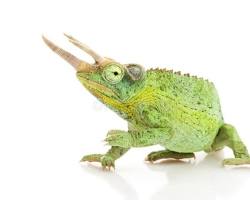
Jackson's chameleon is instantly recognizable by the three horns on the male's face, resembling a tiny Triceratops. Native to East African highlands, these chameleons prefer cooler temperatures than most tropical reptiles - they struggle above 85°F and do best at 75-80°F. Unlike most chameleons that lay eggs, Jackson's give live birth. They require screen enclosures, drip/misting systems, and careful care. Generally calmer than veiled chameleons but still stress-prone with frequent handling.
Quick Facts
Care Level
intermediate
Adult Size
9-13 inches
Lifespan
5-10 years
Diet Type
insectivore
Activity
diurnal
Temperament
calm
Group
lizard
Origin
East Africa (Kenya, Tanzania highlands)
Beginner Suitability
First Reptile?no
Beginner Score5/10
⚠ Beginner Warnings
Cooler temps than most reptiles, specialized husbandry, shorter lifespan
Temperament & Handling
Temperamentcalm
Handling Toleranceminimal
Handling Notes
Calmer than veiled but still not handling pets. Brief sessions only.
Temperature & Humidity
Temperature
Basking82°F
Ambient75°F
Night60°F
COOLER than most reptiles. Basking 80-85°F max. Struggle above 85°F.
Humidity
Target Range50% – 80%
50-80% with fluctuation. Screen sides essential.
Lighting & UVB
UVB RequiredYes — Required
Target UVI2.0-3.0
Lighting Notes
Ferguson Zone 2-3. T5 5-6% UVB.
Enclosure
Minimum Size18x18x36 screen
Recommended Size24x24x48 screen
Enclosure Typearboreal
Substrate & Environment
Substrate TypeNo substrate - bare bottom.
Water Featureno
Water Notes
Drip/misting essential. Will not drink from bowls.
Activity & Behavior
Activity Patterndiurnal
Social Behaviorsolitary
Cohabitation
Absolutely solitary. Males fight with horns.
Jackson's Chameleon
Care Sheet — Diet & Nutrition
Diet & Nutrition
Diet Typeinsectivore
Feeding FrequencyDaily juveniles; every other day adults
Diet Notes
Variety of gut-loaded insects. Smaller prey than veiled chameleons.
💊 Supplementation Schedule
Calcium without D3 most feedings. With D3 twice monthly.
✅ Recommended Foods
| Food | Category | Ca:P | Usage |
|---|---|---|---|
| Black Soldier Fly Larvae | insect | 7 | staple |
| Dubia Roach | insect | 0.4 | staple |
🚫 Foods to Avoid
| Food | Toxicity | Category |
|---|---|---|
| Avocado | ☠️ fatal | fruit |
| Fireflies | ☠️ fatal | insect |
| Foxglove | ☠️ fatal | flower |
| Garlic | ☠️ fatal | vegetable |
Jackson's Chameleon
Care Sheet — Health & More
Health & Critical Care
MBD, respiratory infections, parasites, thermal stress
Health Notes
Heat stress is major concern - keep cool.
Breeding
Difficultymoderate
SeasonYear-round
Clutch Size8-30 live young
Incubation5-6 months gestation
Sexual Dimorphism
high
Breeding Notes
Live-bearing - unusual for chameleons.
Cost & Availability
Price Rangemoderate
Availabilitymoderate
Native Habitat
Native RegionEast Africa (Kenya, Tanzania highlands)
Habitat Typerainforest
Climate Notes
Cool mountain forests. Cooler than typical tropical.
Legal & Conservation
Conservation StatusLeast Concern
CITES Listingappendix ii
Legal Restrictions
Invasive in Hawaii.
Looks good? Hit Cmd+P (Mac) or Ctrl+P (Windows) to save as PDF.