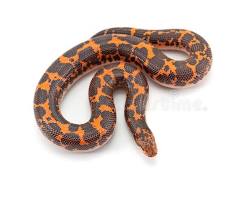
Quick Facts
Adult Size
15-24 inches (males) to 2-3 feet (females)
Origin
East Africa (Kenya, Tanzania, Egypt)
🌱
Beginner Suitability
First Reptile?yes
Beginner Score9/10
⚠ Beginner Warnings
Burrowing species that stays hidden much of the time (not a display snake), low humidity requirements different from tropical species
🤚
Temperament & Handling
Temperamentdocile
Handling Toleranceexcellent
Handling NotesVery docile and slow-moving. Rarely bite. Easy to handle due to small size and calm demeanor. May burrow into your hands or sleeves seeking dark hiding spots.
🌡️
Temperature & Humidity
Temperature
Basking95°F
Ambient85°F
Night75°F
Warm side 90-95°F, cool side 75-80°F. Night temps can drop to 70-75°F. Warmer temperatures than many colubrids - they are desert snakes.
Humidity
Target Range20% – 40%
Low humidity 20-40%. Desert species that does not tolerate high humidity well. Too much moisture can cause respiratory issues and scale rot.
💡
Lighting & UVB
UVB RequiredYes — Required
Target UVI0.7
Lighting NotesFerguson Zone 1-2. Low-output UVB beneficial but optional. Standard lighting for display purposes is fine.
🏠
Enclosure
Minimum Size10-15 gallon
Recommended Size20 gallon long (30x12x12)
Enclosure Typeterrestrial
🪨
Substrate & Environment
Substrate TypePlay sand, aspen, or sand/soil mix allowing burrowing. These snakes spend most time buried - adequate substrate depth is essential.
Substrate Depth3-5 inches minimum for burrowing
Water Featureno
Water NotesSmall water dish changed regularly. Do not mist - this is a dry-climate species.
🦎
Activity & Behavior
Activity Patternnocturnal
Social Behaviorsolitary
CohabitationHouse individually. While not ophiophagous like kingsnakes, cohabitation still causes stress and competition.
🍽️
Diet & Nutrition
Diet Typecarnivore
Feeding FrequencyEvery 7-10 days for adults; every 5-7 days for juveniles
Diet NotesAppropriately sized mice. Most sand boas are excellent feeders. Their ambush feeding style means they may take a moment to find prey since their vision is limited.
💊 Supplementation Schedule
Not required when feeding whole prey.
✅ Recommended Foods
| Food | Category | Ca:P | Usage |
|---|
| Pinky Mouse | whole_prey | 1.5 | staple |
| Fuzzy Mouse | whole_prey | 1.5 | staple |
| Hopper Mouse | whole_prey | 1.5 | staple |
| Weaned Rat | whole_prey | 1.5 | staple |
🚫 Foods to Avoid
| Food | Toxicity | Category |
|---|
| Avocado | ☠️ fatal | fruit |
| Fireflies | ☠️ fatal | insect |
| Foxglove | ☠️ fatal | flower |
| Garlic | ☠️ fatal | vegetable |
⚕️
Health & Critical Care
Respiratory infections, parasites, scale rot (from high humidity), regurgitation, retained shed
Health NotesScale rot and respiratory infections usually result from too-high humidity. Keep substrate dry. Retained shed on eyes can be an issue - ensure humidity is appropriate.
🥚
Breeding
Difficultyeasy
SeasonWinter/spring after cooling period
Clutch Size5-20 live young (viviparous)
Incubation4 months gestation
Breeding NotesLive-bearing - no eggs to incubate. Cooling period (65-70°F for 2-3 months) triggers breeding. Easy to breed once adults are established.
✨
Available Morphs
Normal, Albino, Anery, Snow, Paradox, Rufescens, Stripe, Dodoma, Nuclear, Splash
💰
Cost & Availability
Price Rangebudget
Availabilitycommon
🌍
Native Habitat
Native RegionEast Africa (Kenya, Tanzania, Egypt)
Habitat Typesemi arid
Climate NotesSandy semi-arid regions. Burrowing lifestyle in loose sandy soil. Hot days with significant cooling at night.
📋
Legal & Conservation
Conservation StatusLeast Concern
Legal RestrictionsNone - captive breeding well established
Looks good? Hit Cmd+P (Mac) or Ctrl+P (Windows) to save as PDF.