
← Back to Leopard Gecko
Reptile Vault
Care Sheet
Generated May 18, 2026
reptilevault.com

Leopard Gecko

Eublepharis macularius

The leopard gecko is one of the most popular pet reptiles worldwide, beloved for its docile nature, handleability, and stunning variety of color morphs. Native to the rocky semi-arid regions of Afghanistan, Pakistan, India, and Nepal, these crepuscular geckos are ground-dwelling and lack the adhesive toe pads found in most gecko species. Leopard geckos are excellent beginner reptiles because they are hardy, easy to feed on insects, and genuinely enjoy interaction with their keepers. Modern care standards now recommend low-level UVB lighting despite older guides saying it was unnecessary - research shows clear health benefits including better appetite and immune function. With proper husbandry, leopard geckos commonly live 15-20+ years with some reaching 30 years.
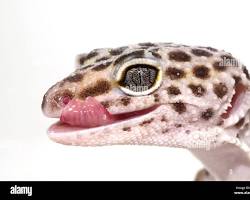
Leopard Gecko
Quick Facts
Care Level
beginner
Adult Size
7-10 inches
Lifespan
15-20+ years
Diet Type
insectivore
Activity
crepuscular
Temperament
docile
Group
lizard
Origin
Afghanistan, Pakistan, India, Nepal
🌱

Beginner Suitability

First Reptile?yes
Beginner Score9/10
Beginner Warnings
Need humid hide for shedding, proper heat gradient
🤚

Temperament & Handling

Temperamentdocile
Handling Toleranceexcellent
Handling Notes
Support full body from below, never grab from above. Start with 5-minute sessions.
🌡️

Temperature & Humidity

Temperature
Basking90°F
Ambient78°F
Night65°F
Overhead heating preferred over heat mats (belly heat myth debunked). Night drop is natural and healthy.
Humidity
Target Range30% – 40%
Humid hide required at 70-80% for shedding. Main enclosure stays low humidity.
💡

Lighting & UVB

UVB RequiredYes — Required
Target UVI0.7
Lighting Notes
Ferguson Zone 1. Low-output UVB like Arcadia ShadeDweller 7% or T5 6%. UVI 0-0.7 average, max 1.0. Albinos still benefit from UVB.
🏠

Enclosure

Minimum Size36x18x18 in (40 gallon)
Recommended Size48x24x18 in
Enclosure Typeterrestrial
🪨

Substrate & Environment

Substrate Type50% topsoil + 30% play sand + 20% excavator clay, or tile
Substrate Depth3-6 inches for burrowing
Water Featureno
Water Notes
Shallow dish; humid hide with moist substrate for shedding (70-80% humidity inside hide)
🦎

Activity & Behavior

Activity Patterncrepuscular
Social Behaviorsolitary
Cohabitation
No cohabitation recommended; causes stress, dropped tails, injuries
Leopard Gecko
Care Sheet — Diet & Nutrition
🍽️

Diet & Nutrition

Diet Typeinsectivore
Feeding FrequencyEvery day for juveniles; every 2-3 days for adults
Diet Notes
Variety of gut-loaded insects: dubia roaches crickets mealworms superworms. 2 insects per inch of gecko length.
💊 Supplementation Schedule

Calcium without D3 most feedings if UVB provided. If no UVB: calcium with D3 1-2x weekly.

✅ Recommended Foods
FoodCategoryCa:PUsage
Black Soldier Fly Larvaeinsect7staple
Dubia Roachinsect0.4staple
🚫 Foods to Avoid
FoodToxicityCategory
Avocado☠️ fatalfruit
Fireflies☠️ fatalinsect
Foxglove☠️ fatalflower
Garlic☠️ fatalvegetable
Leopard Gecko
Care Sheet — Health & More
⚕️

Health & Critical Care

Metabolic bone disease, parasites, cryptosporidiosis, stick tail disease, impaction, respiratory infections
Health Notes
Cryptosporidiosis incurable and contagious. Quarantine new animals. Watch for thin tail, lethargy.
🥚

Breeding

Difficultyeasy
SeasonSpring/summer
Clutch Size2 eggs per clutch; multiple clutches per season
Incubation45-60 days
Sexual Dimorphism
moderate
Breeding Notes
Females can store sperm. TSD not present - sex genetic.

Available Morphs

Normal, Tangerine, High Yellow, RAPTOR, Eclipse, Blizzard, Enigma, Murphy Patternless

💰

Cost & Availability

Price Rangeexpensive
Availabilitycommon
🌍

Native Habitat

Native RegionAfghanistan, Pakistan, India, Nepal
Habitat Typesemi arid
Climate Notes
Semi-arid with temperature fluctuation day to night
📋

Legal & Conservation

Conservation StatusLeast Concern

Looks good? Hit Cmd+P (Mac) or Ctrl+P (Windows) to save as PDF.

← Back to Leopard Gecko