
← Back to Milk Snake
Reptile Vault
Care Sheet
Generated May 18, 2026
reptilevault.com

Milk Snake

Lampropeltis triangulum

Milk snakes are beautiful tri-colored colubrids native to the Americas, famous for their bold banding patterns in red, black, and yellow or white. Their colors mimic the venomous coral snake in a classic example of Batesian mimicry, though the rhyme "red touches yellow, kill a fellow" only works reliably for North American species. Milk snakes encompass many subspecies with varying sizes - from the smaller Pueblan milk snake at 2-3 feet to the Honduran milk snake reaching 4-5 feet. All share similar care requirements and make excellent intermediate-level snakes. They can be slightly nippy when young but typically calm with regular handling and are reliable feeders once established.
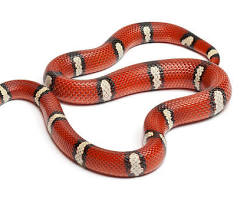
Milk Snake
Quick Facts
Care Level
beginner
Adult Size
2-3 feet (Pueblan) to 4-5 feet (Honduran)
Lifespan
15-20 years
Diet Type
carnivore
Activity
crepuscular
Temperament
docile
Group
snake
Origin
Americas - North, Central, and South America
🌱

Beginner Suitability

First Reptile?yes
Beginner Score8/10
Beginner Warnings
Can be nippy when young, escape artists, some subspecies more defensive
🤚

Temperament & Handling

Temperamentdocile
Handling Tolerancegood
Handling Notes
May be nippy when young but calm with regular handling. Active and curious.
🌡️

Temperature & Humidity

Temperature
Basking88°F
Ambient78°F
Night68°F
Basking 85-90°F, cool side 72-78°F. Night can drop to 65-70°F.
Humidity
Target Range40% – 60%
Moderate humidity 40-60%. Higher during shedding.
💡

Lighting & UVB

UVB RequiredYes — Required
Target UVI0.7-1.0
Lighting Notes
Ferguson Zone 1-2. Low UVB beneficial but optional.
🏠

Enclosure

Minimum Size20 gallon long
Recommended Size40 gallon (36x18x18)
Enclosure Typeterrestrial
🪨

Substrate & Environment

Substrate TypeAspen, coconut fiber, or cypress mulch allowing burrowing.
Substrate Depth2-4 inches
Water Featureno
Water Notes
Water bowl changed every 1-2 days.
🦎

Activity & Behavior

Activity Patterncrepuscular
Social Behaviorsolitary
Cohabitation
Never cohabitate. Like kingsnakes, some may be ophiophagous. House individually.
Milk Snake
Care Sheet — Diet & Nutrition
🍽️

Diet & Nutrition

Diet Typecarnivore
Feeding FrequencyEvery 7-10 days adults; every 5-7 days juveniles
Diet Notes
Appropriately sized frozen-thawed mice. Reliable feeders.
💊 Supplementation Schedule

Not required when feeding whole prey.

✅ Recommended Foods
FoodCategoryCa:PUsage
Pinky Mousewhole_prey1.5staple
Fuzzy Mousewhole_prey1.5staple
Hopper Mousewhole_prey1.5staple
Weaned Ratwhole_prey1.5staple
🚫 Foods to Avoid
FoodToxicityCategory
Avocado☠️ fatalfruit
Fireflies☠️ fatalinsect
Foxglove☠️ fatalflower
Garlic☠️ fatalvegetable
Milk Snake
Care Sheet — Health & More
⚕️

Health & Critical Care

Respiratory infections, mites, scale rot, regurgitation
Health Notes
Hardy snakes with few health problems when husbandry is correct.
🥚

Breeding

Difficultyeasy
SeasonSpring after brumation
Clutch Size6-24 eggs
Incubation55-65 days at 78-84°F
Sexual Dimorphism
moderate
Breeding Notes
Brumation triggers breeding. Easy to breed.

Available Morphs

Normal, Albino, Anery, Tangerine, Snow, Hypomelanistic

💰

Cost & Availability

Price Rangebudget
Availabilitycommon
🌍

Native Habitat

Native RegionAmericas - North, Central, and South America
Habitat Typegrassland
Climate Notes
Varied habitats from forests to grasslands depending on subspecies.
📋

Legal & Conservation

Conservation StatusLeast Concern

Looks good? Hit Cmd+P (Mac) or Ctrl+P (Windows) to save as PDF.

← Back to Milk Snake