
← Back to Rainbow Boa
Reptile Vault
Care Sheet
Generated May 18, 2026
reptilevault.com

Rainbow Boa

Epicrates cenchria

The Brazilian rainbow boa is one of the most visually stunning snakes available, featuring scales that produce an incredible iridescent rainbow sheen when light hits them at the right angle. This optical effect is caused by microscopic ridges on their scales that refract light like a prism. Native to South American rainforests, rainbow boas reach 5-7 feet and require higher humidity (70-90%) than most commonly kept snakes - this is the key to their care and the source of most health problems when neglected. With proper humidity, rainbow boas are hardy and generally docile, though juveniles can be nippy. They are crepuscular/nocturnal and give live birth like other boas.
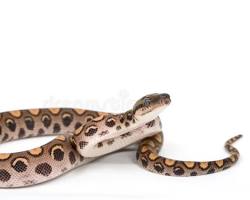
Rainbow Boa
Quick Facts
Care Level
intermediate
Adult Size
5-7 feet
Lifespan
20-30 years
Diet Type
carnivore
Activity
crepuscular
Temperament
docile
Group
snake
Origin
South America (Amazon basin)
🌱

Beginner Suitability

First Reptile?no
Beginner Score6/10
Beginner Warnings
High humidity 70-90% is critical and non-negotiable, juveniles can be nippy, health issues almost always from humidity problems
🤚

Temperament & Handling

Temperamentdocile
Handling Tolerancegood
Handling Notes
Adults generally docile. Juveniles/neonates can be nippy and defensive but calm with regular gentle handling.
🌡️

Temperature & Humidity

Temperature
Basking85°F
Ambient80°F
Night75°F
Warm side 82-86°F, cool side 75-80°F. Night 72-75°F. Avoid hot basking spots - not a basking species.
Humidity
Target Range70% – 90%
CRITICAL: High humidity 70-90% essential. Most health issues from low humidity. Respiratory infections, stuck shed, dehydration. Humid hides help.
💡

Lighting & UVB

UVB RequiredYes — Required
Target UVI0.7
Lighting Notes
Ferguson Zone 1-2. Low UVB beneficial but optional. Crepuscular species.
🏠

Enclosure

Minimum Size4x2x2 ft
Recommended Size6x2x2 ft or larger
Enclosure Typeterrestrial
🪨

Substrate & Environment

Substrate TypeCypress mulch, coconut fiber, or sphagnum moss - must hold humidity well.
Substrate Depth3-4 inches
Water Featureno
Water Notes
Large water bowl for soaking. Many rainbow boas enjoy soaking. Change frequently.
🦎

Activity & Behavior

Activity Patterncrepuscular
Social Behaviorsolitary
Cohabitation
Never cohabitate. House individually.
Rainbow Boa
Care Sheet — Diet & Nutrition
🍽️

Diet & Nutrition

Diet Typecarnivore
Feeding FrequencyEvery 10-14 days adults; every 7-10 days juveniles
Diet Notes
Appropriately sized frozen-thawed rodents. Good feeders once established.
💊 Supplementation Schedule

Not required when feeding whole prey.

✅ Recommended Foods
FoodCategoryCa:PUsage
Pinky Mousewhole_prey1.5staple
Fuzzy Mousewhole_prey1.5staple
Hopper Mousewhole_prey1.5staple
Weaned Ratwhole_prey1.5staple
🚫 Foods to Avoid
FoodToxicityCategory
Avocado☠️ fatalfruit
Fireflies☠️ fatalinsect
Foxglove☠️ fatalflower
Garlic☠️ fatalvegetable
Rainbow Boa
Care Sheet — Health & More
⚕️

Health & Critical Care

Respiratory infections, stuck shed, dehydration, regurgitation, IBD
Health Notes
Almost all health problems trace to insufficient humidity. Respiratory infections, stuck shed very common when humidity drops.
🥚

Breeding

Difficultymoderate
SeasonWinter/spring after slight cooling
Clutch Size10-30 live young
Incubation5 months gestation
Sexual Dimorphism
moderate
Breeding Notes
Live-bearing. Light cooling period (70-75°F nights) triggers breeding. Large litters.

Available Morphs

Normal, Anery, Hypomelanistic, Ghost, Seib Line, High White, Pied (rare)

💰

Cost & Availability

Price Rangemoderate
Availabilitymoderate
🌍

Native Habitat

Native RegionSouth America (Amazon basin)
Habitat Typerainforest
Climate Notes
Tropical rainforest with consistently high humidity year-round.
📋

Legal & Conservation

Conservation Statusunknown
CITES Listingappendix ii
Legal Restrictions
None in most areas.

Looks good? Hit Cmd+P (Mac) or Ctrl+P (Windows) to save as PDF.

← Back to Rainbow Boa