
← Back to Rosy Boa
Reptile Vault
Care Sheet
Generated May 18, 2026
reptilevault.com

Rosy Boa

Lichanura trivirgata

The rosy boa is an excellent small boa species native to the southwestern United States and Mexico, perfect for keepers wanting a docile constrictor without the large size of common boas. Named for the rosy or salmon-colored stripes along their bodies, these heavy-bodied snakes typically reach only 2-4 feet. Rosy boas are known for exceptionally calm temperaments - they rarely bite and move slowly, making them ideal for handling. They are one of only two boa species native to the United States. Like other boas, they give live birth. Various locality forms with different colorations are becoming increasingly popular.
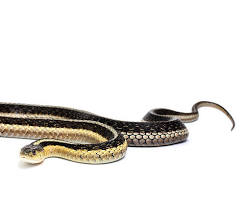
Rosy Boa
Quick Facts
Care Level
beginner
Adult Size
2-4 feet
Lifespan
20-30+ years
Diet Type
carnivore
Activity
crepuscular
Temperament
docile
Group
snake
Origin
Southwestern United States and Mexico
🌱

Beginner Suitability

First Reptile?yes
Beginner Score9/10
Beginner Warnings
Low humidity requirements, may fast seasonally, slow metabolism
🤚

Temperament & Handling

Temperamentdocile
Handling Toleranceexcellent
Handling Notes
Exceptionally docile - one of the calmest snake species. Perfect for handling.
🌡️

Temperature & Humidity

Temperature
Basking90°F
Ambient80°F
Night68°F
Basking 88-92°F, cool side 75-80°F. Night can drop to 65-70°F.
Humidity
Target Range20% – 40%
Low humidity 20-40%. Desert species.
💡

Lighting & UVB

UVB RequiredYes — Required
Target UVI0.7-1.0
Lighting Notes
Ferguson Zone 1-2. Low UVB beneficial.
🏠

Enclosure

Minimum Size20 gallon long
Recommended Size40 gallon (36x18x18)
Enclosure Typeterrestrial
🪨

Substrate & Environment

Substrate TypeAspen or sand/soil mix. Desert species.
Substrate Depth2-3 inches
Water Featureno
Water Notes
Small water bowl. Do not mist - dry climate species.
🦎

Activity & Behavior

Activity Patterncrepuscular
Social Behaviorsolitary
Cohabitation
House individually.
Rosy Boa
Care Sheet — Diet & Nutrition
🍽️

Diet & Nutrition

Diet Typecarnivore
Feeding FrequencyEvery 10-14 days adults; every 7-10 days juveniles
Diet Notes
Appropriately sized mice. May fast seasonally. Slow metabolism.
💊 Supplementation Schedule

Not required when feeding whole prey.

✅ Recommended Foods
FoodCategoryCa:PUsage
Pinky Mousewhole_prey1.5staple
Fuzzy Mousewhole_prey1.5staple
Hopper Mousewhole_prey1.5staple
Weaned Ratwhole_prey1.5staple
🚫 Foods to Avoid
FoodToxicityCategory
Avocado☠️ fatalfruit
Fireflies☠️ fatalinsect
Foxglove☠️ fatalflower
Garlic☠️ fatalvegetable
Rosy Boa
Care Sheet — Health & More
⚕️

Health & Critical Care

Respiratory infections, scale rot, obesity
Health Notes
Respiratory issues from high humidity. Easy to overfeed.
🥚

Breeding

Difficultymoderate
SeasonSpring after brumation
Clutch Size3-12 live young
Incubation4-5 months gestation
Sexual Dimorphism
low
Breeding Notes
Live-bearing. Brumation triggers breeding.

Available Morphs

Coastal, Desert, Mexican localities. Albino available.

💰

Cost & Availability

Price Rangemoderate
Availabilitymoderate
🌍

Native Habitat

Native RegionSouthwestern United States and Mexico
Habitat Typedesert
Climate Notes
Rocky desert and scrubland. Hot days, cool nights.
📋

Legal & Conservation

Conservation StatusLeast Concern
Legal Restrictions
Protected in some California counties.

Looks good? Hit Cmd+P (Mac) or Ctrl+P (Windows) to save as PDF.

← Back to Rosy Boa