
← Back to Tokay Gecko
Reptile Vault
Care Sheet
Generated May 18, 2026
reptilevault.com

Tokay Gecko

Gekko gecko

The tokay gecko is a large, stunningly beautiful gecko famous for its vibrant blue-gray body covered in orange or red spots - and infamous for its aggressive temperament. Native to Southeast Asia, tokays reach 10-14 inches making them one of the largest gecko species. They are named for their distinctive loud "TO-kay" call that males produce at night. Wild-caught tokays have a fierce reputation for biting hard and not letting go, but captive-bred specimens can become handleable with patience. They require high humidity, climbing space, and are strictly nocturnal. For experienced keepers, their beauty and bold personality make them rewarding.
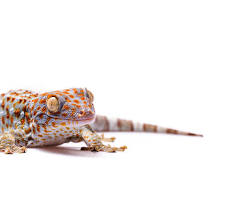
Tokay Gecko
Quick Facts
Care Level
intermediate
Adult Size
10-14 inches
Lifespan
10-20 years
Diet Type
insectivore
Activity
nocturnal
Temperament
defensive
Group
lizard
Origin
Southeast Asia
🌱

Beginner Suitability

First Reptile?no
Beginner Score4/10
Beginner Warnings
Aggressive temperament especially wild-caught, loud calls at night, not a handling pet, must buy captive-bred
🤚

Temperament & Handling

Temperamentdefensive
Handling Toleranceminimal
Handling Notes
Wild-caught are aggressive and bite hard. Captive-bred much calmer with patience. Not a handling pet for most keepers.
🌡️

Temperature & Humidity

Temperature
Basking90°F
Ambient80°F
Night72°F
Basking 88-92°F, ambient 78-82°F. Night 72-75°F.
Humidity
Target Range60% – 80%
High humidity 60-80%. Mist 1-2x daily.
💡

Lighting & UVB

UVB RequiredYes — Required
Target UVI0.7
Lighting Notes
Ferguson Zone 1. Low UVB beneficial - crepuscular/nocturnal but some exposure helps.
🏠

Enclosure

Minimum Size18x18x24 vertical
Recommended Size24x18x36 vertical
Enclosure Typearboreal
🪨

Substrate & Environment

Substrate TypeCoconut fiber or paper towels. Bioactive works well.
Substrate Depth2-3 inches
Water Featureno
Water Notes
Misting provides drinking water. Water dish can be offered.
🦎

Activity & Behavior

Activity Patternnocturnal
Social Behaviorsolitary
Cohabitation
Males extremely territorial and will fight. House individually or carefully managed pairs.
Tokay Gecko
Care Sheet — Diet & Nutrition
🍽️

Diet & Nutrition

Diet Typeinsectivore
Feeding FrequencyEvery other day adults; daily juveniles
Diet Notes
Large insects - adult crickets, dubia roaches, superworms. May take pinky mice occasionally.
💊 Supplementation Schedule

Calcium without D3 most feedings. With D3 1-2x weekly.

✅ Recommended Foods
FoodCategoryCa:PUsage
Black Soldier Fly Larvaeinsect7staple
Dubia Roachinsect0.4staple
🚫 Foods to Avoid
FoodToxicityCategory
Avocado☠️ fatalfruit
Fireflies☠️ fatalinsect
Foxglove☠️ fatalflower
Garlic☠️ fatalvegetable
Tokay Gecko
Care Sheet — Health & More
⚕️

Health & Critical Care

MBD, parasites, respiratory infections, stuck shed, injuries from aggression
Health Notes
Wild-caught often have heavy parasite loads. Buy captive-bred. Bite wounds can be severe.
🥚

Breeding

Difficultyeasy
SeasonYear-round with proper conditions
Clutch Size2 eggs per clutch; multiple clutches yearly
Incubation60-120 days
Sexual Dimorphism
moderate
Breeding Notes
Prolific breeders. Eggs often glued to surfaces.
💰

Cost & Availability

Price Rangebudget
Availabilitycommon
🌍

Native Habitat

Native RegionSoutheast Asia
Habitat Typerainforest
Climate Notes
Tropical forests. High humidity. Often found near human habitation.
📋

Legal & Conservation

Conservation StatusLeast Concern

Looks good? Hit Cmd+P (Mac) or Ctrl+P (Windows) to save as PDF.

← Back to Tokay Gecko