
← Back to Ball Python
Reptile Vault
Care Sheet
Generated May 18, 2026
reptilevault.com

Ball Python

Python regius

The ball python, also known as the royal python, is the most popular pet snake in the world and consistently the top-selling reptile at expos and pet stores. Native to the grasslands and savannas of West and Central Africa, these docile constrictors get their name from their defensive behavior of curling into a tight ball with their head protected in the center. Ball pythons are available in thousands of stunning color morphs created through selective breeding, from brilliant yellows and oranges to pure white leucistics. They are excellent beginner snakes due to their calm temperament, manageable adult size of 3-5 feet, and relatively simple care requirements. However, they are notorious for occasional feeding strikes that can last weeks or even months, which while normal, can stress new keepers.
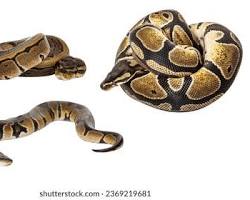
Ball Python
Quick Facts
Care Level
beginner
Adult Size
3-5 feet (females larger)
Lifespan
20-30+ years
Diet Type
carnivore
Activity
crepuscular
Temperament
docile
Group
snake
Origin
West and Central Africa
🌱

Beginner Suitability

First Reptile?yes
Beginner Score8/10
Beginner Warnings
Feeding strikes common; humidity management important
🤚

Temperament & Handling

Temperamentdocile
Handling Toleranceexcellent
Handling Notes
Support full body. Avoid handling 48 hours after feeding. Some individuals are head shy.
🌡️

Temperature & Humidity

Temperature
Basking90°F
Ambient80°F
Night76°F
Warm side/cool side gradient essential. Night drop is natural.
Humidity
Target Range50% – 60%
Higher humidity than commonly advised. Humid hide optional but helps with shedding.
💡

Lighting & UVB

UVB RequiredYes — Required
Target UVI0.7-1.0
Lighting Notes
Ferguson Zone 2. Shade-dweller UVB: 5-6% T5 or T8. Benefits proven for immune system and behavior despite being optional for survival.
🏠

Enclosure

Minimum Size4x2x2 ft
Recommended Size4x2x4 ft or larger
Enclosure Typeterrestrial
🪨

Substrate & Environment

Substrate TypeCoconut fiber, cypress mulch, or bioactive mix
Substrate Depth3-4 inches
Water Featureno
Water Notes
Large water bowl for soaking. Change water frequently.
🦎

Activity & Behavior

Activity Patterncrepuscular
Social Behaviorsolitary
Cohabitation
Never cohabitate; causes stress and feeding issues even without visible aggression
Ball Python
Care Sheet — Diet & Nutrition
🍽️

Diet & Nutrition

Diet Typecarnivore
Feeding FrequencyEvery 7-14 days for adults; every 5-7 days for juveniles
Diet Notes
Appropriately sized rodents (prey width = snake width at widest point). Frozen-thawed safest.
💊 Supplementation Schedule

Not needed if feeding whole prey. Some keepers dust with calcium occasionally.

✅ Recommended Foods
FoodCategoryCa:PUsage
Pinky Mousewhole_prey1.5staple
Fuzzy Mousewhole_prey1.5staple
Hopper Mousewhole_prey1.5staple
Weaned Ratwhole_prey1.5staple
🚫 Foods to Avoid
FoodToxicityCategory
Avocado☠️ fatalfruit
Fireflies☠️ fatalinsect
Foxglove☠️ fatalflower
Garlic☠️ fatalvegetable
Ball Python
Care Sheet — Health & More
⚕️

Health & Critical Care

Respiratory infections, scale rot, mites, obesity, mouth rot, stuck shed
Health Notes
Notorious for fasting - can be normal especially in breeding season. Weight loss monitoring important.
🥚

Breeding

Difficultymoderate
SeasonWinter/dry season
Clutch Size4-10 eggs
Incubation55-60 days
Sexual Dimorphism
moderate
Breeding Notes
Requires seasonal cycling. Maternal incubation or artificial. Females fast during brooding.

Available Morphs

Normal, Albino, Pastel, Spider, Piebald, Clown, Banana, Blue Eyed Leucistic

💰

Cost & Availability

Price Rangeexpensive
Availabilitycommon
🌍

Native Habitat

Native RegionWest and Central Africa
Habitat Typegrassland
Climate Notes
Tropical with wet and dry seasons
📋

Legal & Conservation

Conservation StatusNear Threatened
CITES Listingappendix ii
Legal Restrictions
Collection regulated in range countries

Looks good? Hit Cmd+P (Mac) or Ctrl+P (Windows) to save as PDF.

← Back to Ball Python