
← Back to Bearded Dragon
Reptile Vault
Care Sheet
Generated May 18, 2026
reptilevault.com

Bearded Dragon

Pogona vitticeps

The bearded dragon is the most popular pet lizard in the world, beloved for its docile temperament, distinctive spiny beard display, and engaging personality. Native to the arid scrublands of central Australia, bearded dragons make excellent beginner reptiles because they tolerate handling well and display fascinating behaviors like arm waving and head bobbing. They require proper UVB lighting, a hot basking spot around 105°F, and a diet that shifts from mostly insects as juveniles to mostly vegetables as adults. With proper care including a minimum 4x2x2 enclosure, bearded dragons live 10-15 years and form genuine bonds with their keepers.
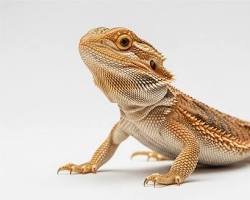
Bearded Dragon
Quick Facts
Care Level
beginner
Adult Size
18-24 inches
Lifespan
10-15 years
Diet Type
omnivore,insectivore
Activity
diurnal
Temperament
docile
Group
lizard
Origin
Central Australia
🌱

Beginner Suitability

First Reptile?yes
Beginner Score9/10
Beginner Warnings
Large enclosure needed, UVB critical, diet shifts with age
🤚

Temperament & Handling

Temperamentdocile
Handling Toleranceexcellent
Handling Notes
Allow 2 weeks to settle before handling. Support full body, handle close to ground. 15-minute sessions.
🌡️

Temperature & Humidity

Temperature
Basking105°F
Ambient82°F
Night70°F
Temperature gradient essential. Basking surface temp more important than air temp.
Humidity
Target Range30% – 40%
Low humidity species; too high causes respiratory issues. Humid hide not typically needed.
💡

Lighting & UVB

UVB RequiredYes — Required
Target UVI2.9-7.4
Lighting Notes
Ferguson Zone 3-4. T5 HO 10-12% or 14% UVB. Must provide UVB gradient to Zone 1 levels in cool area.
🏠

Enclosure

Minimum Size4x2x2 ft (120 gallon)
Recommended Size6x2x2 ft
Enclosure Typeterrestrial
🪨

Substrate & Environment

Substrate Type50% topsoil + 30% play sand + 20% excavator clay, or tile
Substrate Depth3-4 inches for loose substrate
Water Featureno
Water Notes
Shallow water dish; most hydration from food and misting vegetables
🦎

Activity & Behavior

Activity Patterndiurnal
Social Behaviorsolitary
Cohabitation
No cohabitation; causes stress, fighting, and dominance issues even among females
Bearded Dragon
Care Sheet — Diet & Nutrition
🍽️

Diet & Nutrition

Diet Typeomnivore,insectivore
Feeding FrequencyDaily for juveniles; every other day for adults
Diet Notes
70-80% vegetables as adults, 20-30% insects. Juveniles opposite ratio. Staples: collard greens, butternut squash, dubia roaches.
💊 Supplementation Schedule

Calcium without D3 most feedings; calcium with D3 and multivitamin 1-2x weekly when UVB provided

✅ Recommended Foods
FoodCategoryCa:PUsage
Collard Greensleafy9.3staple
Black Soldier Fly Larvaeinsect7staple
Mulberry Leafleafy5staple
Turnip Greensleafy4.5staple
🚫 Foods to Avoid
FoodToxicityCategory
Avocado☠️ fatalfruit
Fireflies☠️ fatalinsect
Foxglove☠️ fatalflower
Garlic☠️ fatalvegetable
Bearded Dragon
Care Sheet — Health & More
⚕️

Health & Critical Care

Metabolic bone disease, parasites, atadenovirus, yellow fungus, impaction, respiratory infections
Health Notes
Annual fecal exams recommended. Watch for lethargy, black beard, glass surfing as stress signs.
🥚

Breeding

Difficultymoderate
SeasonSpring after brumation
Clutch Size15-30 eggs
Incubation55-75 days
Sexual Dimorphism
moderate
Breeding Notes
Requires brumation to trigger breeding. Females can retain sperm.

Available Morphs

Normal, Hypo, Trans, Leatherback, Dunner, Zero, Witblits, Paradox

💰

Cost & Availability

Price Rangemoderate
Availabilitycommon
🌍

Native Habitat

Native RegionCentral Australia
Habitat Typescrubland
Climate Notes
Hot semi-arid with seasonal variation
📋

Legal & Conservation

Conservation StatusLeast Concern
Legal Restrictions
None in most areas

Looks good? Hit Cmd+P (Mac) or Ctrl+P (Windows) to save as PDF.

← Back to Bearded Dragon