Calcium and phosphorus balance is one of the most important concepts in reptile nutrition because it affects bone strength, muscle function, growth quality, and long term health. Reptiles do not just need calcium in isolation. They need a diet that supports an appropriate relationship between calcium and phosphorus, along with husbandry conditions that allow the body to use those nutrients effectively. This is why calcium to phosphorus balance matters so much in diet planning.
Many keepers hear that reptiles need calcium, then stop there. That partial understanding leads to weak feeding strategies. It is possible to offer foods that look healthy to a person but still create a nutritional pattern that does not support strong mineral balance. This happens most often when owners rely too much on low value produce, overuse foods with weaker mineral profiles, or assume supplements can fully compensate for a poorly built base diet.
What calcium and phosphorus actually do
Calcium plays a central role in the body. It contributes to skeletal support, muscle contraction, nerve function, and many other physiological processes. Reptiles require dependable calcium support to maintain structural health and daily function. Phosphorus is also important. It is not the enemy. The issue is not that phosphorus exists in food. The issue is balance. When the overall diet tilts too far away from strong calcium support and toward weaker mineral balance, the animal may not be getting what it needs over time. This is why owners talk about calcium to phosphorus ratio rather than just calcium content alone. The broader pattern matters.
Why this matters so much in reptiles
Reptiles are detail dependent animals. Their nutrition cannot be separated from the rest of their husbandry. Even a diet that appears thoughtful can underperform if calcium support is weak, supplementation is inconsistent, or UVB and thermal conditions are poor. For species that rely heavily on plant matter, food selection becomes critical. For species that rely on insects or prey items, feeder quality and supplementation practices matter a great deal. In both cases, the animal depends on the owner to build a stronger nutritional framework than it would get from random convenience feeding.
A reptile can appear fine for a while on a weak diet. That is part of the problem. Nutritional issues often develop gradually. By the time signs become obvious, the underlying pattern may have been poor for a long time. Owners often search for one magical food that solves calcium concerns. That is not how strong husbandry works. Calcium support comes from the overall structure of the diet.
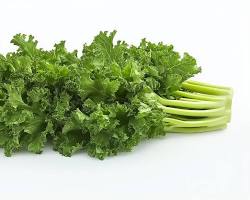
For herbivorous reptiles, the foundation should usually be quality leafy greens and other stronger plant choices that support a better nutritional profile. The bowl should not be driven by fruit, watery filler produce, or whatever the reptile happens to prefer most. A good herbivore diet usually has a clear hierarchy. Staple greens are the backbone. Foods such as collard greens, mustard greens, dandelion greens, and similar options are often used because they help form a stronger nutritional base. Supportive vegetables such as squash or other useful rotation items can broaden the diet without replacing the staple greens. Lower priority items such as sweeter foods and weaker staples may still appear occasionally, but they should not control the pattern.
For insect eating and omnivorous reptiles, the issue often shifts toward feeder insect quality, gut loading, and supplementation habits. Owners sometimes assume all insects are nutritionally interchangeable. They are not. Feeder choice, feeder condition, and supplementation all affect the bigger picture. Good mineral planning requires more than just tossing in a feeder cup and hoping dusting powder fixes the rest.
Why supplements are not the whole answer
Calcium supplementation can be useful and often necessary depending on species, life stage, and husbandry setup. But supplements should support a strong feeding plan, not rescue a weak one. A poorly constructed diet does not become ideal just because powder is added. Owners still need to think about what the reptile is eating most often, how frequently supplements are used, and whether the rest of the husbandry plan supports nutrient use.
This is especially important because many owners use supplements inconsistently. Some overdo them without understanding the broader diet. Others underuse them or apply them irregularly. Good supplementation is intentional, not random. It fits into a species based feeding pattern that the owner can actually maintain.
UVB and calcium use are connected
One of the biggest mistakes in reptile care is treating calcium as a food only issue. It is also a husbandry issue. For many species, UVB exposure plays a major role in how well the reptile can process and use calcium. This means you cannot evaluate calcium support in a vacuum. If the enclosure has weak lighting, poor fixture choice, incorrect distance, or inadequate exposure opportunity, the reptile may not be getting the full benefit of the calcium support the owner thinks they are providing.
This is why experienced keepers evaluate mineral support as part of a system. Diet quality matters. Are the staple foods or feeders actually strong enough to support the goal. Supplementation matters. Is calcium being used appropriately and consistently. UVB matters. Does the reptile have the right setup for its species and behavior. Heat and basking matter. Can the reptile thermoregulate in a way that supports normal physiological function. When any one of these pieces is weak, the rest of the plan becomes less reliable.
Common Ca:P mistakes reptile owners make
Focusing on one food instead of the full pattern is common. Owners often ask whether one food is good or bad, but the better question is how that food fits into the bigger feeding structure. Feeding too many lower value foods is another issue. A bowl can look full and varied while still being nutritionally weak. This is common when owners prioritize color, sweetness, or convenience over stronger staple choices. Assuming all greens are equal is another mistake. They are not. Some deserve regular use. Others are better kept as occasional additions. Ignoring lighting quality is a major failure point. Weak UVB setups undermine nutritional planning. Owners may blame diet alone when the husbandry issue is broader. Using supplements without structure is also common. Supplements should be part of a plan tied to the species, life stage, and overall setup.
How to plan a stronger diet with Ca:P in mind
Build from your best staples first. Choose the strongest appropriate staple foods for the species. For plant based reptiles, this usually means putting serious greens first. For insect based reptiles, it means thinking harder about feeder quality and not relying on a single easy option. Use variety with purpose. Variety is good when it broadens the diet without weakening the base. Random variety is not the same thing as intelligent variety. Keep lower value foods controlled. Foods that are weaker choices should not become the daily norm just because they are easy to buy or highly accepted. Review supplementation as part of the whole plan. Supplements should support the diet, not replace good planning. Evaluate husbandry at the same time. Calcium support is only one part of the equation. Check UVB, heat, enclosure function, and hydration as well.
Why this matters for young and growing reptiles
Growth periods put even more pressure on husbandry quality. A juvenile reptile is building structure and function at the same time. Weak mineral support during that stage can have bigger consequences than many owners realize. That does not mean every young reptile needs the same feeding or supplementation plan. It means the margin for sloppy care is smaller. This is why owners of young reptiles should be especially careful about using oversimplified online advice. Good growth is not just about eating often. It is about eating appropriately within the context of proper species care.
Why this still matters for adults
Some owners relax too much once the reptile reaches adulthood. While growth pressure changes, long term maintenance still depends on good nutritional structure. Adult reptiles still benefit from diets that prioritize strong staple choices and better overall balance. Adult health issues often reflect patterns that built up slowly over time. The absence of immediate crisis does not mean the diet is strong.
Better questions to ask when planning reptile nutrition
Instead of asking only whether a single food contains calcium, owners should ask whether that food is strong enough to be a staple. Ask whether the overall diet leans heavily toward weaker phosphorus heavy choices. Ask whether you are relying too much on supplements to fix poor food selection. Ask whether the UVB setup actually supports calcium use for this species. Ask whether the feeding pattern is appropriate for the species and life stage. These questions lead to better diet planning than simply searching for a list of allowed foods.
Final takeaway
Calcium and phosphorus matter in reptile nutrition because reptiles depend on a balanced dietary pattern, not random food approval. Strong calcium support starts with staple quality, sensible variety, and husbandry that allows the body to use those nutrients properly. Supplements help, but they do not replace thoughtful feeding. Owners who focus on the total pattern, especially the relationship between diet, UVB, and species appropriate care, usually build more reliable long term health outcomes than those who chase single foods or quick fixes.