UVB Lighting Basics
Learn why UVB matters, which reptiles need it, and how setup affects long term health.
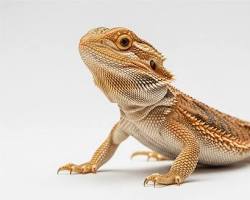
UVB lighting matters because many reptiles depend on it as part of normal long term husbandry. A proper UVB setup can support stronger overall health, better calcium use, and a more complete care environment. A poor UVB setup can quietly undermine the rest of the husbandry plan, even when food, supplements, and enclosure size appear acceptable on paper.
Many reptile keepers know UVB is important, but a lot of confusion remains around which reptiles need it, what type of fixture to use, how far the bulb should be from the animal, and why setup details matter so much. This confusion leads to one of the most common care problems in captivity, which is having lighting equipment present without having a truly effective UVB system.
What UVB is and why it matters
UVB is part of the light spectrum. In reptile husbandry, it matters because it supports biological processes that work closely with calcium management and long term physical health. That is why UVB is often discussed alongside diet, supplementation, and basking. For many reptiles, UVB is not an optional upgrade that makes the enclosure look more advanced. It is part of proper care. Without it, owners often end up trying to compensate with feeding changes or supplementation alone, which may not fully address the real issue.
Not every reptile uses UVB in the same way
This is where oversimplified advice causes problems. Reptiles are not one category with one lighting answer. Strong basking diurnal species that spend time actively basking and using brighter environments often have more obvious UVB requirements. Many common pet lizards fall into this category. For these animals, weak lighting plans are a major husbandry failure. Species with lower visible basking behavior may still benefit from UVB exposure even if they do not behave like classic basking lizards. Owners should not assume that low movement or secretive behavior means UVB never matters. Species specific variation matters. The correct setup depends on the species, enclosure style, animal behavior, and how the environment is arranged. This is why strong care resources emphasize species specific guidance instead of universal lighting shortcuts.
The biggest UVB misconception
One of the most common mistakes is assuming that owning a UVB bulb means the reptile has adequate UVB. That is not true. The effectiveness of UVB depends on several factors. Fixture type matters. A weak or poorly designed fixture can limit useful output. Bulb type matters. Different bulb formats and strengths perform differently. Distance matters. If the bulb is too far away, the reptile may not receive meaningful exposure. Obstruction matters. Screens, placement issues, and enclosure structure can affect delivery. Access to the zone matters. The reptile must actually be able to use the UVB area in a natural way. This means UVB should be evaluated as a functional system, not a product box that was purchased.
Why linear fixtures are often preferred
For many reptiles, especially those that need a more serious and usable UVB zone, linear fixtures are often preferred over more limited point source style setups. A well positioned linear fixture can create a more practical exposure area instead of a tiny lighting target that does not match how the reptile actually moves and basks. This matters because reptiles should be able to behaviorally regulate exposure within the enclosure. Good husbandry gives them useful zones, not a cramped all or nothing setup. With a broader zone, the reptile can choose where to spend time rather than being forced into one narrow position.
UVB must work together with heat and basking
Lighting should never be evaluated by itself. UVB becomes much more meaningful when paired with appropriate heat and basking opportunity. Reptiles use their environment as a system. If the basking area is poorly built, the lighting setup may not be used as intended. A good enclosure usually gives the reptile a reason to use the correct zone. That means the basking structure, thermal gradient, and light placement should all make sense together. When owners separate these elements, they often create enclosures where the bulb technically exists but the reptile cannot use the environment naturally.
Common UVB setup mistakes
Using the wrong bulb strength for the species or enclosure is a common problem. Too little output can be ineffective. A mismatched setup can also create avoidable problems in small or poorly planned spaces. Strength should be selected intentionally. Mounting the bulb too far away is another issue. Distance matters. Owners often underestimate how quickly lighting effectiveness drops when the animal is not within the intended zone. Treating screen tops as irrelevant causes trouble as well. Physical barriers and mounting positions can affect how well the setup performs. Failing to replace bulbs on schedule is another common mistake. Even when a bulb still appears bright, that does not mean it is performing the same way from a husbandry perspective. Creating no real basking relationship is another failure point. If the reptile has no appropriate basking structure under the lighting zone, the setup is incomplete. Using a lighting product chosen by popularity rather than enclosure logic is also a problem. A commonly recommended product may still be wrong in a particular habitat.
Which reptiles need UVB
A broad rule is that many reptiles benefit from or require UVB, but the exact level of need and the correct setup vary. Diurnal lizards are often the clearest example, especially those that naturally use brighter environments and rely on basking behavior. However, owners should avoid turning this into a simplistic yes or no chart without species context. The better question is not just whether a reptile needs UVB, but what kind of UVB opportunity makes sense for that species in captivity. Some reptiles need a more robust and deliberate setup. Others may use the zone differently. The point is to understand the species instead of blindly copying general advice.
How to think about proper UVB placement
Build a usable zone. Do not create a setup where the reptile has to sit in one tiny spot to receive exposure. Give it a meaningful area. Align light and basking opportunity. The reptile should be able to warm itself and use the lighting zone naturally. Provide gradients. As with heat, lighting should not force one all day exposure level with no options. Think in three dimensions. Branch height, basking ledges, hides, and climbing behavior all influence actual lighting access. A reptile's lived experience of the enclosure depends on structure, not just equipment choice.
UVB and long term health
Weak UVB husbandry often does not show itself all at once. This is part of why it is so commonly underestimated. Owners may see normal eating, normal movement, or general survival and assume the setup is adequate. But long term care quality is about more than short term survival. A better UVB setup helps support the rest of the husbandry plan by working in concert with diet, calcium support, thermal regulation, and activity. Good reptile keeping is rarely about isolated products. It is about systems that work together. That is also why UVB discussions belong inside wider husbandry planning rather than being treated as a stand alone shopping decision.
Signs your UVB thinking may be too simplistic
You picked the bulb before planning the enclosure. You do not know the actual basking distance. The reptile cannot easily access the intended zone. You assumed any UVB bulb is enough. You have focused on supplements but not lighting. These are common signs that the husbandry plan needs a more serious review.
A practical framework for UVB decisions
When building or reviewing a reptile enclosure, ask what this species naturally needs from light exposure and basking behavior. Ask what fixture and bulb type best fit the enclosure size and shape. Ask where the reptile will actually spend time. Ask whether the UVB zone is usable and not just theoretical. Ask how the lighting setup interacts with the heat gradient. Ask when the bulb will be replaced. This style of thinking produces better outcomes than asking only which bulb brand is popular.
Final takeaway
UVB lighting matters because it is a foundational part of husbandry for many reptiles, especially species that rely on brighter environments and basking opportunity. Good UVB care is not about simply owning a bulb. It is about creating a usable lighting system that works with heat, enclosure design, and species behavior. Owners who think in terms of functional zones, not just products, usually build healthier environments and avoid one of the most common long term husbandry mistakes in reptile keeping.