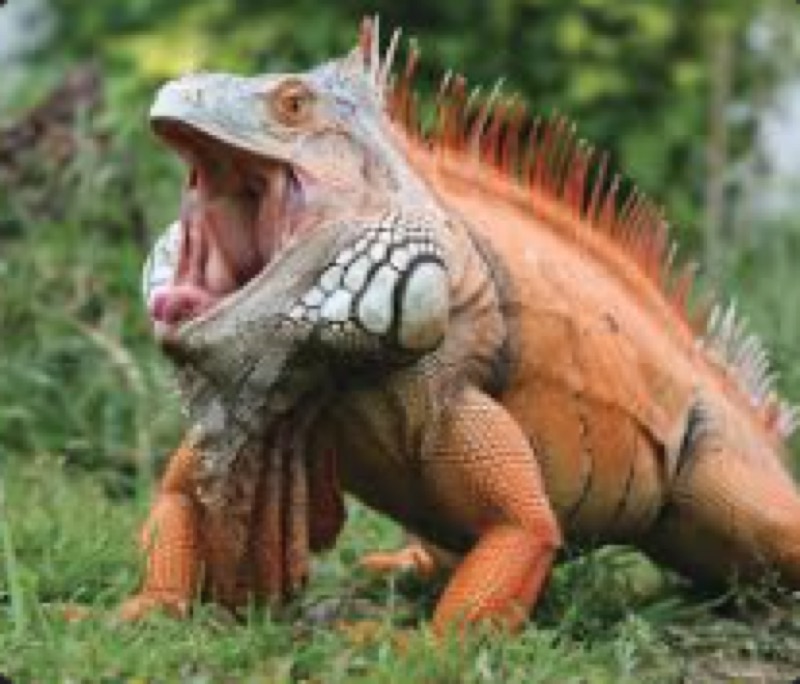
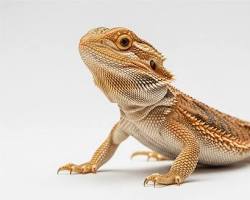
Green Iguana - Adult green iguana showing dewlap and spines
advanced Care
herbivore
diurnal

Green Iguana

Iguana iguana

The green iguana is an impressive large lizard that unfortunately is often sold as a beginner pet due to cheap prices, when in reality it requires expert-level care and a lifetime commitment. Native to Central and South America and the Caribbean, adult green iguanas can reach 5-7 feet in total length and require room-sized enclosures measuring 8x4x8 feet or larger. Despite their challenging care requirements, properly-raised green iguanas can become remarkably tame and form strong bonds with their keepers. They are strict herbivores requiring a precise diet of specific greens, vegetables, and occasional fruit - feeding animal protein causes fatal kidney damage over time. Green iguanas live 15-20+ years and can deliver powerful tail whips and bites when stressed.

Share:
Group

lizard

Diet

herbivore

Size

4-6 feet (including tail)

Lifespan

15-20+ years

Activity

diurnal

Temperament

docile

Beginner Score

3/10

Recommended Setup

Essential gear for Green Iguana

Curated picks for a complete first-time setup. Affiliate links — purchases support the site at no extra cost to you.

Foundation

Recommended Enclosure

8x4x8 ft or room-sized enclosure — the foundation of any successful setup.

View on Amazon
Critical

UVB Lighting

Critical for Green Iguana. Target UVI 2.9-7.4.

View on Amazon
Per-species

Substrate

Tile, newspaper, or bioactive (no loose substrate for eating) substrate matched to natural habitat.

View on Amazon
Universal

Thermostat

Non-negotiable safety. Controls heat sources to prevent fires and burns. The Inkbird ITC-308 is the de facto standard.

View on Amazon
Universal

Calcium + D3 Supplement

Daily for growing reptiles, several times per week for adults. Pair with proper UVB — supplements alone don't replace it.

View on Amazon
Universal

Multiple Hides

Reptiles need cover on both warm and cool sides. Open enclosures cause chronic stress — appetite issues, glass surfing, and refusal to bask.

View on Amazon

Reptile Vault is a participant in the Amazon Services LLC Associates Program. We may earn a commission from qualifying purchases made through these links, at no additional cost to you. Recommendations are based on industry standards and keeper experience.

First Reptile: no
Score
3/10

Warnings

Massive adult size, complex needs, can be aggressive

Tools for Green Iguana

Related Species

Care Guides

Calcium and Phosphorus for Reptiles
diet_nutrition
Calcium and Phosphorus for Reptiles
Calcium and phosphorus balance is one of the most important concepts in reptile nutrition because it affects bone strength, muscle function, growth quality, and long term health. Reptiles do not just need calcium in isolation. They need a diet that supports an appropriate relationship between calcium and phosphorus, along with husbandry conditions that allow the body to use those nutrients effectively. This is why calcium to phosphorus balance matters so much in diet planning. Many keepers hear that reptiles need calcium, then stop there. That partial understanding leads to weak feeding strategies. It is possible to offer foods that look healthy to a person but still create a nutritional pattern that does not support strong mineral balance. This happens most often when owners rely too much on low value produce, overuse foods with weaker mineral profiles, or assume supplements can fully compensate for a poorly built base diet. What calcium and phosphorus actually do Calcium plays a central role in the body. It contributes to skeletal support, muscle contraction, nerve function, and many other physiological processes. Reptiles require dependable calcium support to maintain structural health and daily function. Phosphorus is also important. It is not the enemy. The issue is not that phosphorus exists in food. The issue is balance. When the overall diet tilts too far away from strong calcium support and toward weaker mineral balance, the animal may not be getting what it needs over time. This is why owners talk about calcium to phosphorus ratio rather than just calcium content alone. The broader pattern matters. Why this matters so much in reptiles Reptiles are detail dependent animals. Their nutrition cannot be separated from the rest of their husbandry. Even a diet that appears thoughtful can underperform if calcium support is weak, supplementation is inconsistent, or UVB and thermal conditions are poor. For species that rely heavily on plant matter, food selection becomes critical. For species that rely on insects or prey items, feeder quality and supplementation practices matter a great deal. In both cases, the animal depends on the owner to build a stronger nutritional framework than it would get from random convenience feeding. A reptile can appear fine for a while on a weak diet. That is part of the problem. Nutritional issues often develop gradually. By the time signs become obvious, the underlying pattern may have been poor for a long time. Owners often search for one magical food that solves calcium concerns. That is not how strong husbandry works. Calcium support comes from the overall structure of the diet. For herbivorous reptiles, the foundation should usually be quality leafy greens and other stronger plant choices that support a better nutritional profile. The bowl should not be driven by fruit, watery filler produce, or whatever the reptile happens to prefer most. A good herbivore diet usually has a clear hierarchy. Staple greens are the backbone. Foods such as collard greens, mustard greens, dandelion greens, and similar options are often used because they help form a stronger nutritional base. Supportive vegetables such as squash or other useful rotation items can broaden the diet without replacing the staple greens. Lower priority items such as sweeter foods and weaker staples may still appear occasionally, but they should not control the pattern. For insect eating and omnivorous reptiles, the issue often shifts toward feeder insect quality, gut loading, and supplementation habits. Owners sometimes assume all insects are nutritionally interchangeable. They are not. Feeder choice, feeder condition, and supplementation all affect the bigger picture. Good mineral planning requires more than just tossing in a feeder cup and hoping dusting powder fixes the rest. Why supplements are not the whole answer Calcium supplementation can be useful and often necessary depending on species, life stage, and husbandry setup. But supplements should support a strong feeding plan, not rescue a weak one. A poorly constructed diet does not become ideal just because powder is added. Owners still need to think about what the reptile is eating most often, how frequently supplements are used, and whether the rest of the husbandry plan supports nutrient use. This is especially important because many owners use supplements inconsistently. Some overdo them without understanding the broader diet. Others underuse them or apply them irregularly. Good supplementation is intentional, not random. It fits into a species based feeding pattern that the owner can actually maintain. UVB and calcium use are connected One of the biggest mistakes in reptile care is treating calcium as a food only issue. It is also a husbandry issue. For many species, UVB exposure plays a major role in how well the reptile can process and use calcium. This means you cannot evaluate calcium support in a vacuum. If the enclosure has weak lighting, poor fixture choice, incorrect distance, or inadequate exposure opportunity, the reptile may not be getting the full benefit of the calcium support the owner thinks they are providing. This is why experienced keepers evaluate mineral support as part of a system. Diet quality matters. Are the staple foods or feeders actually strong enough to support the goal. Supplementation matters. Is calcium being used appropriately and consistently. UVB matters. Does the reptile have the right setup for its species and behavior. Heat and basking matter. Can the reptile thermoregulate in a way that supports normal physiological function. When any one of these pieces is weak, the rest of the plan becomes less reliable. Common Ca:P mistakes reptile owners make Focusing on one food instead of the full pattern is common. Owners often ask whether one food is good or bad, but the better question is how that food fits into the bigger feeding structure. Feeding too many lower value foods is another issue. A bowl can look full and varied while still being nutritionally weak. This is common when owners prioritize color, sweetness, or convenience over stronger staple choices. Assuming all greens are equal is another mistake. They are not. Some deserve regular use. Others are better kept as occasional additions. Ignoring lighting quality is a major failure point. Weak UVB setups undermine nutritional planning. Owners may blame diet alone when the husbandry issue is broader. Using supplements without structure is also common. Supplements should be part of a plan tied to the species, life stage, and overall setup. How to plan a stronger diet with Ca:P in mind Build from your best staples first. Choose the strongest appropriate staple foods for the species. For plant based reptiles, this usually means putting serious greens first. For insect based reptiles, it means thinking harder about feeder quality and not relying on a single easy option. Use variety with purpose. Variety is good when it broadens the diet without weakening the base. Random variety is not the same thing as intelligent variety. Keep lower value foods controlled. Foods that are weaker choices should not become the daily norm just because they are easy to buy or highly accepted. Review supplementation as part of the whole plan. Supplements should support the diet, not replace good planning. Evaluate husbandry at the same time. Calcium support is only one part of the equation. Check UVB, heat, enclosure function, and hydration as well. Why this matters for young and growing reptiles Growth periods put even more pressure on husbandry quality. A juvenile reptile is building structure and function at the same time. Weak mineral support during that stage can have bigger consequences than many owners realize. That does not mean every young reptile needs the same feeding or supplementation plan. It means the margin for sloppy care is smaller. This is why owners of young reptiles should be especially careful about using oversimplified online advice. Good growth is not just about eating often. It is about eating appropriately within the context of proper species care. Why this still matters for adults Some owners relax too much once the reptile reaches adulthood. While growth pressure changes, long term maintenance still depends on good nutritional structure. Adult reptiles still benefit from diets that prioritize strong staple choices and better overall balance. Adult health issues often reflect patterns that built up slowly over time. The absence of immediate crisis does not mean the diet is strong. Better questions to ask when planning reptile nutrition Instead of asking only whether a single food contains calcium, owners should ask whether that food is strong enough to be a staple. Ask whether the overall diet leans heavily toward weaker phosphorus heavy choices. Ask whether you are relying too much on supplements to fix poor food selection. Ask whether the UVB setup actually supports calcium use for this species. Ask whether the feeding pattern is appropriate for the species and life stage. These questions lead to better diet planning than simply searching for a list of allowed foods. Final takeaway Calcium and phosphorus matter in reptile nutrition because reptiles depend on a balanced dietary pattern, not random food approval. Strong calcium support starts with staple quality, sensible variety, and husbandry that allows the body to use those nutrients properly. Supplements help, but they do not replace thoughtful feeding. Owners who focus on the total pattern, especially the relationship between diet, UVB, and species appropriate care, usually build more reliable long term health outcomes than those who chase single foods or quick fixes.

Read
UVB Lighting Basics
heating_lighting
UVB Lighting Basics
UVB lighting matters because many reptiles depend on it as part of normal long term husbandry. A proper UVB setup can support stronger overall health, better calcium use, and a more complete care environment. A poor UVB setup can quietly undermine the rest of the husbandry plan, even when food, supplements, and enclosure size appear acceptable on paper. Many reptile keepers know UVB is important, but a lot of confusion remains around which reptiles need it, what type of fixture to use, how far the bulb should be from the animal, and why setup details matter so much. This confusion leads to one of the most common care problems in captivity, which is having lighting equipment present without having a truly effective UVB system. What UVB is and why it matters UVB is part of the light spectrum. In reptile husbandry, it matters because it supports biological processes that work closely with calcium management and long term physical health. That is why UVB is often discussed alongside diet, supplementation, and basking. For many reptiles, UVB is not an optional upgrade that makes the enclosure look more advanced. It is part of proper care. Without it, owners often end up trying to compensate with feeding changes or supplementation alone, which may not fully address the real issue. Not every reptile uses UVB in the same way This is where oversimplified advice causes problems. Reptiles are not one category with one lighting answer. Strong basking diurnal species that spend time actively basking and using brighter environments often have more obvious UVB requirements. Many common pet lizards fall into this category. For these animals, weak lighting plans are a major husbandry failure. Species with lower visible basking behavior may still benefit from UVB exposure even if they do not behave like classic basking lizards. Owners should not assume that low movement or secretive behavior means UVB never matters. Species specific variation matters. The correct setup depends on the species, enclosure style, animal behavior, and how the environment is arranged. This is why strong care resources emphasize species specific guidance instead of universal lighting shortcuts. The biggest UVB misconception One of the most common mistakes is assuming that owning a UVB bulb means the reptile has adequate UVB. That is not true. The effectiveness of UVB depends on several factors. Fixture type matters. A weak or poorly designed fixture can limit useful output. Bulb type matters. Different bulb formats and strengths perform differently. Distance matters. If the bulb is too far away, the reptile may not receive meaningful exposure. Obstruction matters. Screens, placement issues, and enclosure structure can affect delivery. Access to the zone matters. The reptile must actually be able to use the UVB area in a natural way. This means UVB should be evaluated as a functional system, not a product box that was purchased. Why linear fixtures are often preferred For many reptiles, especially those that need a more serious and usable UVB zone, linear fixtures are often preferred over more limited point source style setups. A well positioned linear fixture can create a more practical exposure area instead of a tiny lighting target that does not match how the reptile actually moves and basks. This matters because reptiles should be able to behaviorally regulate exposure within the enclosure. Good husbandry gives them useful zones, not a cramped all or nothing setup. With a broader zone, the reptile can choose where to spend time rather than being forced into one narrow position. UVB must work together with heat and basking Lighting should never be evaluated by itself. UVB becomes much more meaningful when paired with appropriate heat and basking opportunity. Reptiles use their environment as a system. If the basking area is poorly built, the lighting setup may not be used as intended. A good enclosure usually gives the reptile a reason to use the correct zone. That means the basking structure, thermal gradient, and light placement should all make sense together. When owners separate these elements, they often create enclosures where the bulb technically exists but the reptile cannot use the environment naturally. Common UVB setup mistakes Using the wrong bulb strength for the species or enclosure is a common problem. Too little output can be ineffective. A mismatched setup can also create avoidable problems in small or poorly planned spaces. Strength should be selected intentionally. Mounting the bulb too far away is another issue. Distance matters. Owners often underestimate how quickly lighting effectiveness drops when the animal is not within the intended zone. Treating screen tops as irrelevant causes trouble as well. Physical barriers and mounting positions can affect how well the setup performs. Failing to replace bulbs on schedule is another common mistake. Even when a bulb still appears bright, that does not mean it is performing the same way from a husbandry perspective. Creating no real basking relationship is another failure point. If the reptile has no appropriate basking structure under the lighting zone, the setup is incomplete. Using a lighting product chosen by popularity rather than enclosure logic is also a problem. A commonly recommended product may still be wrong in a particular habitat. Which reptiles need UVB A broad rule is that many reptiles benefit from or require UVB, but the exact level of need and the correct setup vary. Diurnal lizards are often the clearest example, especially those that naturally use brighter environments and rely on basking behavior. However, owners should avoid turning this into a simplistic yes or no chart without species context. The better question is not just whether a reptile needs UVB, but what kind of UVB opportunity makes sense for that species in captivity. Some reptiles need a more robust and deliberate setup. Others may use the zone differently. The point is to understand the species instead of blindly copying general advice. How to think about proper UVB placement Build a usable zone. Do not create a setup where the reptile has to sit in one tiny spot to receive exposure. Give it a meaningful area. Align light and basking opportunity. The reptile should be able to warm itself and use the lighting zone naturally. Provide gradients. As with heat, lighting should not force one all day exposure level with no options. Think in three dimensions. Branch height, basking ledges, hides, and climbing behavior all influence actual lighting access. A reptile's lived experience of the enclosure depends on structure, not just equipment choice. UVB and long term health Weak UVB husbandry often does not show itself all at once. This is part of why it is so commonly underestimated. Owners may see normal eating, normal movement, or general survival and assume the setup is adequate. But long term care quality is about more than short term survival. A better UVB setup helps support the rest of the husbandry plan by working in concert with diet, calcium support, thermal regulation, and activity. Good reptile keeping is rarely about isolated products. It is about systems that work together. That is also why UVB discussions belong inside wider husbandry planning rather than being treated as a stand alone shopping decision. Signs your UVB thinking may be too simplistic You picked the bulb before planning the enclosure. You do not know the actual basking distance. The reptile cannot easily access the intended zone. You assumed any UVB bulb is enough. You have focused on supplements but not lighting. These are common signs that the husbandry plan needs a more serious review. A practical framework for UVB decisions When building or reviewing a reptile enclosure, ask what this species naturally needs from light exposure and basking behavior. Ask what fixture and bulb type best fit the enclosure size and shape. Ask where the reptile will actually spend time. Ask whether the UVB zone is usable and not just theoretical. Ask how the lighting setup interacts with the heat gradient. Ask when the bulb will be replaced. This style of thinking produces better outcomes than asking only which bulb brand is popular. Final takeaway UVB lighting matters because it is a foundational part of husbandry for many reptiles, especially species that rely on brighter environments and basking opportunity. Good UVB care is not about simply owning a bulb. It is about creating a usable lighting system that works with heat, enclosure design, and species behavior. Owners who think in terms of functional zones, not just products, usually build healthier environments and avoid one of the most common long term husbandry mistakes in reptile keeping.
Read
Common Reptile Care Mistakes
Husbandry
Common Reptile Care Mistakes
Many reptile care problems start with husbandry errors that seem small at first but create major consequences over time. The most common reptile care mistakes include using undersized enclosures, poor temperature planning, weak UVB setups, bad humidity management, oversimplified feeding, and relying on generic care advice instead of species specific husbandry. These mistakes are common because reptiles are often marketed as easy pets when in reality they are highly dependent on environmental precision. One of the hardest things for new keepers is that a reptile can survive under mediocre care for a while. That creates false confidence. Survival is not the same as good husbandry. Many reptiles tolerate flawed setups long enough that owners assume the care must be fine, even when the enclosure, lighting, or diet would not hold up under serious review. Mistake one: treating reptiles as one category This is the root of many problems. Reptiles are often discussed as if one care sheet can cover everything from iguanas to geckos to snakes. That is a fast path to bad decisions. Species differ in enclosure needs, thermal gradients, humidity patterns, UVB use, diet, activity level, and behavior. Advice that helps one reptile may be actively wrong for another. Owners who use broad reptile care summaries without verifying species specific needs often build enclosures that are mismatched from the start. Mistake two: using an enclosure that is too small or too simple Many reptiles are housed in enclosures chosen for store convenience rather than actual husbandry needs. Small enclosures restrict movement, compress thermal gradients, reduce environmental choice, and make the whole setup harder to manage well. A bigger issue is not just floor space. It is whether the enclosure allows the reptile to behave normally. Can it thermoregulate. Can it hide appropriately. Can it climb if that matters. Can it move between zones. Can the habitat support the necessary lighting and heating structure. An enclosure can be technically occupied without being functionally adequate. Mistake three: poor heat planning Heat errors are among the most common reptile husbandry failures. Using one temperature reading for the whole enclosure is a problem because a reptile enclosure should not be thought of as one temperature. Reptiles need gradients and zone choice. Measuring the wrong thing is another issue. Ambient readings matter, but so do actual basking surfaces and the range across the enclosure. Providing heat without usable behavior options is also common. A heat source alone is not a full thermal plan. The reptile needs the ability to move through a meaningful gradient. Owners often know they need heat but underestimate how precise and structured the setup should be. Mistake four: weak or ineffective UVB setups UVB confusion is a major issue in reptile care. Many keepers buy a bulb and assume that step is complete. But effective UVB depends on bulb type, fixture quality, distance, placement, enclosure structure, and whether the reptile can actually access the zone. A UVB product that is present but poorly deployed is not the same as a strong UVB system. This mistake is especially common in species that clearly rely on basking and light exposure. Weak lighting plans can quietly undermine diet quality and calcium management for a long time before the owner understands what is wrong. Mistake five: bad humidity management Humidity advice online is often too generic. Some owners run the entire enclosure too wet. Others keep it too dry and then wonder why sheds or hydration issues occur. Humidity should be approached as a species specific environmental target, not a single number copied from an unrelated care sheet. It also depends on how the enclosure is built. Ventilation matters. Substrate choice matters. Water placement matters. Hide structure matters. The reptile's actual microclimate matters. A reptile does not experience only the room air reading. It experiences the full habitat. Mistake six: oversimplified feeding Feeding mistakes are common because owners often want a clean list of approved foods or insects and then stop thinking. Good nutrition is broader than a list. A true herbivore should not be fed like a casual salad eater. Diet structure matters. Strong staple greens should lead the plan. Insect eaters should not be managed as though all feeders are equal. Quality, variety, and supplementation matter. Omnivores still require structure. The ratio and pattern of feeding should reflect the species and life stage. A common issue across all categories is that owners overuse convenient or highly accepted foods at the expense of better long term structure. Mistake seven: assuming supplements fix everything Supplements can help, but they do not correct every weak husbandry choice. A poor diet, bad UVB setup, and weak thermal structure cannot be fully repaired with powders. Supplements should support a good plan, not substitute for one. This mistake is common because supplements feel actionable. Owners want to solve a problem quickly. But reptile care rarely rewards shortcut thinking. The best supplement plan in the world is still secondary to a strong enclosure and species appropriate feeding structure. Mistake eight: not evaluating husbandry as a system One of the clearest differences between beginner care and stronger husbandry is whether the owner thinks in isolated tasks or connected systems. Reptile care is a systems problem. Heat affects digestion and behavior. UVB interacts with calcium planning. Humidity affects hydration and shedding. Enclosure design affects how the reptile uses the thermal and lighting zones. Food quality interacts with everything else. When owners treat each category separately, they often miss the real cause of a problem. A lizard that stops eating may not have a food problem at all. A snake with repeated shed issues may not simply need more misting. A reptile that seems lethargic may be reacting to multiple environmental failures at once. Mistake nine: trusting random care advice too easily Conflicting reptile advice is everywhere. Social media, old care sheets, pet stores, and generic articles often present strong opinions without much species context. New keepers are especially vulnerable to this because reptile care can look deceptively simple from the outside. A better approach is to ask whether the advice is species specific. Ask whether it explains the why behind the recommendation. Ask whether it aligns with a full husbandry system. Ask whether it is based on practical long term care rather than convenience. This filter helps owners avoid a lot of low quality guidance. Mistake ten: waiting too long to fix obvious setup problems Owners often recognize that something is off but delay action because the reptile is still eating or still alive. That mindset can allow weak husbandry to continue much longer than it should. The better approach is to correct setup issues early, especially when they involve enclosure size, lighting, heat, diet structure, or hydration. Reptiles often benefit from environmental improvement even before visible crisis appears. In many cases, the animal has been compensating for the setup rather than thriving in it. How to avoid these mistakes Start with the exact species. Do not build the care plan around generic reptile assumptions. Prioritize the enclosure as a functional environment. Think beyond tank size and ask whether the habitat allows normal reptile behavior. Build real gradients. Heat, light, and humidity should offer meaningful choices. Use strong staple foods and structured feeding. Do not let convenience drive the diet. Review lighting seriously. Especially for species that need UVB, treat lighting as a core husbandry pillar. Observe the reptile's actual use of the enclosure. A setup is only as good as its functional use. If the animal never uses the basking shelf, cannot reach the UVB zone, or hides constantly because the habitat lacks security, the design needs work. Final takeaway The most common reptile care mistakes happen when owners underestimate how detailed reptile husbandry really is. Small errors in heat, UVB, humidity, enclosure design, and diet often compound over time. Good reptile care starts when the owner stops looking for quick approval and starts building a species specific system that supports long term health. Most problems become easier to prevent once you focus on function, consistency, and the reality that reptiles are not low maintenance animals.
Read
Share this species