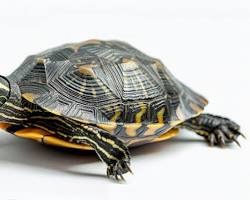
Quick Facts
Adult Size
8-12 inches shell length (females larger than males)
Origin
Southeastern United States
🌱
Beginner Suitability
First Reptile?with research
Beginner Score6/10
⚠ Beginner Warnings
Large aquarium requirements (75-120+ gallons for adults), strong filtration needed, significant ongoing maintenance, 20-40+ year commitment, Salmonella risk (wash hands), illegal to release
🤚
Temperament & Handling
Temperamentdocile
Handling Tolerancemoderate
Handling NotesTolerate handling but prefer being in water. Handle with both hands supporting the shell. May scratch with claws or release bladder when handled. Not cuddly pets - best enjoyed in their habitat.
🌡️
Temperature & Humidity
Temperature
Basking88°F
Ambient78°F
Night68°F
Basking spot 85-95°F. Water temperature 75-82°F. Lower temps trigger brumation in some individuals. Basking is essential for shell health and digestion.
Humidity
N/A - aquatic environment. Maintain proper water quality instead. Ammonia, nitrite, nitrate monitoring important.
💡
Lighting & UVB
UVB RequiredYes — Required
Target UVI2.9-3.0
Lighting NotesFerguson Zone 2-3. UVB essential for shell health. Mercury vapor bulb or T5 HO 10% over basking area. Basking area must receive full UVB exposure.
🏠
Enclosure
Minimum Size75 gallon aquarium (adults)
Recommended Size120+ gallon or pond
Enclosure Typeaquatic
🪨
Substrate & Environment
Substrate TypeBare bottom easiest to clean. River rock or large gravel possible but harder to maintain. Sand impaction risk in young turtles.
Substrate DepthN/A - aquatic setup
Water Featureyes
Water NotesSwimming water should be 2-3x shell length depth minimum. Strong filtration rated for 2-3x actual water volume essential. Partial water changes weekly. Basking area completely out of water required.
🦎
Activity & Behavior
Activity Patterndiurnal
Social Behaviorsolitary
CohabitationCan be housed together in very large aquatic setups but may compete for basking space and food. Aggression possible especially with multiple males. Single housing often easier.
🍽️
Diet & Nutrition
Diet Typeomnivore
Feeding FrequencyDaily for juveniles (more protein); every other day for adults (more plants)
Diet NotesOmnivore with diet shifting toward herbivorous as adults. Juveniles: 50% protein (turtle pellets, feeder fish, shrimp) 50% vegetables. Adults: 25% protein 75% vegetables (dark leafy greens, aquatic plants).
💊 Supplementation Schedule
Calcium (cuttlebone or calcium block in water). Commercial turtle pellets contain vitamins. Calcium dusting on vegetables 2-3x weekly.
✅ Recommended Foods
| Food | Category | Ca:P | Usage |
|---|
| Collard Greens | leafy | 9.3 | staple |
| Black Soldier Fly Larvae | insect | 7 | staple |
| Mulberry Leaf | leafy | 5 | staple |
| Turnip Greens | leafy | 4.5 | staple |
🚫 Foods to Avoid
| Food | Toxicity | Category |
|---|
| Avocado | ☠️ fatal | fruit |
| Fireflies | ☠️ fatal | insect |
| Foxglove | ☠️ fatal | flower |
| Garlic | ☠️ fatal | vegetable |
⚕️
Health & Critical Care
Metabolic bone disease, shell rot, respiratory infections, vitamin A deficiency, ear abscesses, parasites, shell pyramiding
Health NotesShell problems (rot, soft shell, pyramiding) usually indicate water quality, temperature, or UVB issues. Ear abscesses appear as swelling behind ears and require veterinary treatment.
🥚
Breeding
Difficultymoderate
SeasonSpring after brumation
Clutch Size2-30 eggs (often 6-15)
Incubation60-90 days at 77-86°F
Sexual Dimorphismmoderate
Breeding NotesFemales may lay eggs without males (infertile). Nesting site needed or egg retention occurs. Temperature-dependent sex determination - cooler temps produce males, warmer produce females.
💰
Cost & Availability
Price Rangebudget
Availabilitycommon
🌍
Native Habitat
Native RegionSoutheastern United States
Habitat Typeaquatic
Climate NotesSemi-aquatic freshwater habitats - ponds, lakes, streams, marshes. Bask on logs and rocks. Temperate climate with cold winters.
📋
Legal & Conservation
Conservation StatusLeast Concern
Legal RestrictionsSales of under 4 inches banned in US (Salmonella concerns). Illegal to release. Invasive species restrictions in many countries.
Looks good? Hit Cmd+P (Mac) or Ctrl+P (Windows) to save as PDF.