
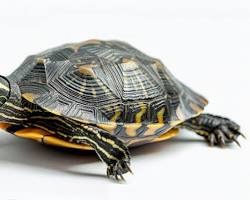
Red-Eared Slider
Trachemys scripta elegans
The red-eared slider is the most common pet turtle in the world and arguably one of the most misunderstood. These semi-aquatic turtles are often sold as tiny hatchlings (illegally in the US when under 4 inches) without adequate information about their true care needs. Adult red-eared sliders reach 10-12 inches and require substantial aquatic enclosures - a minimum of 75-120+ gallons for adult females with proper basking areas, UVB lighting, and strong filtration. They live 20-40+ years, making them a serious long-term commitment. Red-eared sliders are omnivores with dietary needs that shift toward more vegetation as they mature. They produce significant waste requiring powerful filtration. Due to releases by overwhelmed owners, red-eared sliders have become invasive worldwide.
turtle
omnivore
8-12 inches shell length (females larger than males)
20-40+ years
diurnal
docile
6/10
Recommended Setup
Essential gear for Red-Eared Slider
Curated picks for a complete first-time setup. Affiliate links — purchases support the site at no extra cost to you.
Substrate
Bare bottom easiest to clean. River rock or large gravel possible but harder to maintain. Sand impaction risk in young turtles. substrate matched to natural habitat.
View on AmazonThermostat
Non-negotiable safety. Controls heat sources to prevent fires and burns. The Inkbird ITC-308 is the de facto standard.
View on AmazonCalcium + D3 Supplement
Daily for growing reptiles, several times per week for adults. Pair with proper UVB — supplements alone don't replace it.
View on AmazonMultiple Hides
Reptiles need cover on both warm and cool sides. Open enclosures cause chronic stress — appetite issues, glass surfing, and refusal to bask.
View on AmazonReptile Vault is a participant in the Amazon Services LLC Associates Program. We may earn a commission from qualifying purchases made through these links, at no additional cost to you. Recommendations are based on industry standards and keeper experience.
Warnings
Large aquarium requirements (75-120+ gallons for adults), strong filtration needed, significant ongoing maintenance, 20-40+ year commitment, Salmonella risk (wash hands), illegal to release