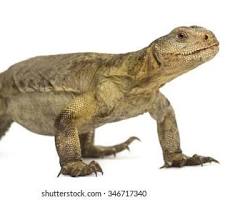
Quick Facts
Adult Size
10-14 inches (ornate/ocellated) to 24-30 inches (Egyptian) depending on species
Origin
North Africa and Middle East
🌱
Beginner Suitability
First Reptile?with research
Beginner Score6/10
⚠ Beginner Warnings
Very high heat requirements (120-130°F basking) requiring specialized equipment, strict herbivore diet, low humidity requirements, some species are CITES listed
🤚
Temperament & Handling
Temperamentdocile
Handling Toleranceexcellent
Handling NotesVery handleable once tame and often develop strong bonds with keepers. May be flighty when young but calm with regular handling. Active during day when warm.
🌡️
Temperature & Humidity
Temperature
Basking125°F
Ambient95°F
Night70°F
CRITICAL: Very high basking temps required - 120-130°F surface temperature. Ambient 95-100°F on warm side. Cool side 80-85°F. Requires powerful heating equipment.
Humidity
Target Range10% – 30%
Very low humidity 10-30%. Desert species that does not tolerate humidity. Respiratory infections can result from high humidity. Do not mist animal directly.
💡
Lighting & UVB
UVB RequiredYes — Required
Target UVI3.0-4.0
Lighting NotesFerguson Zone 3-4. Intense UVB essential - T5 HO 12-14% for larger enclosures. Mercury vapor bulbs can provide heat and UVB together.
🏠
Enclosure
Minimum Size4x2x2 ft minimum
Recommended Size6x3x2 ft for larger species
Enclosure Typeterrestrial
🪨
Substrate & Environment
Substrate TypeBird seed (millet), fine sand, or tile. Sand mixed with seed works well. Some keepers prefer tile only for easier cleaning.
Substrate Depth2-4 inches if using sand/seed mix; N/A for tile
Water Featureno
Water NotesMost water comes from food. Small shallow dish can be offered but many uros do not drink from dishes. Lightly mist vegetables if needed.
🦎
Activity & Behavior
Activity Patterndiurnal
Social Behaviorsolitary
CohabitationDo not cohabitate. Males are territorial and will fight. Females may fight as well. Single housing is standard.
🍽️
Diet & Nutrition
Diet Typeherbivore
Feeding FrequencyDaily access to food
Diet NotesStrict herbivore - NO insects or animal protein. Staples: bird seed mix (millet, lentils, split peas), dark leafy greens (dandelion, collard, endive), flowers (hibiscus, rose petals). Seeds should be 30-50% of diet.
💊 Supplementation Schedule
Calcium without D3 2-3x weekly with proper UVB exposure. Multivitamin 1-2x weekly. Quality UVB reduces need for D3 supplementation.
✅ Recommended Foods
| Food | Category | Ca:P | Usage |
|---|
| Collard Greens | leafy | 9.3 | staple |
| Mulberry Leaf | leafy | 5 | staple |
| Turnip Greens | leafy | 4.5 | staple |
| Hibiscus Leaf | leafy | 4.2 | staple |
🚫 Foods to Avoid
| Food | Toxicity | Category |
|---|
| Avocado | ☠️ fatal | fruit |
| Fireflies | ☠️ fatal | insect |
| Foxglove | ☠️ fatal | flower |
| Garlic | ☠️ fatal | vegetable |
⚕️
Health & Critical Care
Metabolic bone disease, respiratory infections, tail rot, parasites, impaction, kidney disease
Health NotesRespiratory infections often result from incorrect temperatures or high humidity. Tail rot can occur from injuries or stuck shed. Annual fecal exams recommended.
🥚
Breeding
Difficultydifficult
SeasonAfter brumation/cooling period
Clutch Size5-20 eggs depending on species
Incubation60-90 days at 90-95°F
Sexual Dimorphismmoderate
Breeding NotesRequires brumation (6-8 weeks at 60-70°F with reduced lighting) to trigger breeding. Incubation temperatures are high. Species-specific breeding research recommended.
💰
Cost & Availability
Price Rangemoderate
Availabilitymoderate
🌍
Native Habitat
Native RegionNorth Africa and Middle East
Habitat Typedesert
Climate NotesExtreme desert conditions with very hot days and significant night cooling. Sandy and rocky habitats with minimal vegetation.
📋
Legal & Conservation
Conservation StatusNear Threatened
CITES Listingappendix ii
Legal RestrictionsCITES regulated for some species. Many should be captive bred.
Looks good? Hit Cmd+P (Mac) or Ctrl+P (Windows) to save as PDF.