African Fat-Tailed Gecko
Hemitheconyx caudicinctus
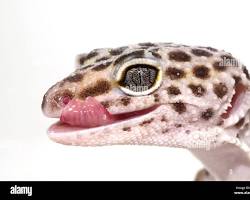
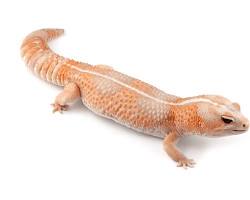
The African fat-tailed gecko is often considered the "other" popular eublepharine gecko alongside the leopard gecko, offering a similar care experience with its own unique characteristics. Native to West Africa, these crepuscular geckos are named for their thick, fat-storing tails and have a stockier build than leopard geckos with larger eyes and a somewhat pudgier face. The main difference in care is humidity - African fat-tailed geckos come from more humid environments and require consistently higher humidity than leopard geckos, especially a well-maintained humid hide at 80-90%. They are typically more docile and less skittish than leopard geckos but may be slightly shier initially. With proper care including adequate humidity, these geckos live 15-20+ years.
lizard
insectivore
7-10 inches
15-20+ years
crepuscular
docile
8/10
Recommended Setup
Essential gear for African Fat-Tailed Gecko
Curated picks for a complete first-time setup. Affiliate links — purchases support the site at no extra cost to you.
Substrate
Coconut fiber or cypress mulch to hold humidity. Avoid dry substrates like aspen. Bioactive setups work well. substrate matched to natural habitat.
View on AmazonThermostat
Non-negotiable safety. Controls heat sources to prevent fires and burns. The Inkbird ITC-308 is the de facto standard.
View on AmazonCalcium + D3 Supplement
Daily for growing reptiles, several times per week for adults. Pair with proper UVB — supplements alone don't replace it.
View on AmazonMultiple Hides
Reptiles need cover on both warm and cool sides. Open enclosures cause chronic stress — appetite issues, glass surfing, and refusal to bask.
View on AmazonReptile Vault is a participant in the Amazon Services LLC Associates Program. We may earn a commission from qualifying purchases made through these links, at no additional cost to you. Recommendations are based on industry standards and keeper experience.
Warnings
Higher humidity requirements than leopard geckos (the main difference), humid hide must be available at all times, may be initially shier