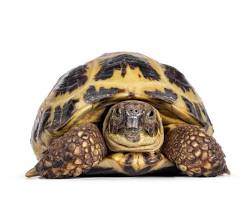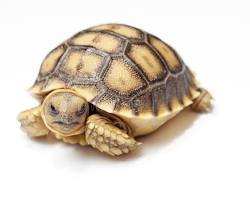
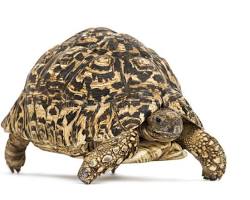
Leopard Tortoise
Stigmochelys pardalis
The leopard tortoise is one of the most beautiful tortoises available in the pet trade, named for the distinctive black and yellow spotted pattern on their high-domed shells. Native to the savannas and grasslands of eastern and southern Africa, these large tortoises are the fourth-largest tortoise species in the world, with adults reaching 10-18 inches though some individuals exceed 2 feet and 40+ pounds. Leopard tortoises are long-lived animals with lifespans often exceeding 50-100 years, making them a multi-generational commitment that may outlive their keepers. They require high UVB exposure, proper humidity to prevent pyramiding, and a strict grass-based herbivorous diet. Due to their size, lifespan, and space requirements, leopard tortoises are best suited for experienced keepers who can provide outdoor housing in appropriate climates.
tortoise
herbivore
10-18 inches (occasionally larger)
50-100+ years
diurnal
docile
5/10
Recommended Setup
Essential gear for Leopard Tortoise
Curated picks for a complete first-time setup. Affiliate links — purchases support the site at no extra cost to you.
Recommended Enclosure
Outdoor enclosure when weather permits; 12x6 ft+ — the foundation of any successful setup.
View on AmazonSubstrate
Grass, soil, or organic topsoil mix outdoors substrate matched to natural habitat.
View on AmazonThermostat
Non-negotiable safety. Controls heat sources to prevent fires and burns. The Inkbird ITC-308 is the de facto standard.
View on AmazonCalcium + D3 Supplement
Daily for growing reptiles, several times per week for adults. Pair with proper UVB — supplements alone don't replace it.
View on AmazonMultiple Hides
Reptiles need cover on both warm and cool sides. Open enclosures cause chronic stress — appetite issues, glass surfing, and refusal to bask.
View on AmazonReptile Vault is a participant in the Amazon Services LLC Associates Program. We may earn a commission from qualifying purchases made through these links, at no additional cost to you. Recommendations are based on industry standards and keeper experience.
Warnings
Very long-lived commitment, large space needs, slow growth