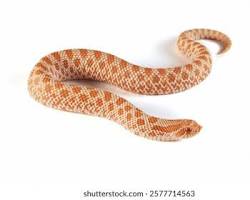
Western Hognose Snake
Heterodon nasicus
The western hognose snake is a delightfully quirky North American colubrid famous for its upturned pig-like snout and dramatic defensive behaviors that make it a favorite among snake keepers. When threatened, hognose snakes put on an impressive threat display - flattening their heads cobra-style, hissing loudly, and making mock strikes with their mouths closed. If that fails, they will dramatically play dead, rolling onto their backs with mouth open and tongue hanging out. Despite these theatrics, hognoses are actually quite docile with regular handling and are not dangerous to humans. They do possess mild rear-fang venom used for subduing prey (primarily toads), but this is not medically significant for humans. Western hognose snakes stay relatively small at 15-24 inches.
snake
carnivore
15-24 inches (females larger than males)
15-20 years
diurnal
docile
7/10
Recommended Setup
Essential gear for Western Hognose Snake
Curated picks for a complete first-time setup. Affiliate links — purchases support the site at no extra cost to you.
Recommended Enclosure
40 gallon breeder (36x18x18) — the foundation of any successful setup.
View on AmazonSubstrate
Sand and soil mix or aspen allowing burrowing. These are burrowing snakes that spend significant time underground. substrate matched to natural habitat.
View on AmazonThermostat
Non-negotiable safety. Controls heat sources to prevent fires and burns. The Inkbird ITC-308 is the de facto standard.
View on AmazonCalcium + D3 Supplement
Daily for growing reptiles, several times per week for adults. Pair with proper UVB — supplements alone don't replace it.
View on AmazonMultiple Hides
Reptiles need cover on both warm and cool sides. Open enclosures cause chronic stress — appetite issues, glass surfing, and refusal to bask.
View on AmazonReptile Vault is a participant in the Amazon Services LLC Associates Program. We may earn a commission from qualifying purchases made through these links, at no additional cost to you. Recommendations are based on industry standards and keeper experience.
Warnings
Can be finicky feeders requiring scenting prey, dramatic defensive behaviors can startle new keepers, mildly venomous (not dangerous to humans)