Safe Foods for Herbivorous Reptiles
Learn which greens, vegetables, and plant foods are better choices for herbivorous reptiles.
Herbivorous reptiles do best on a diet built around consistency, variety, and species appropriate plant foods. The safest foods are usually calcium forward leafy greens, supportive vegetables used in rotation, and carefully controlled amounts of lower priority items such as fruit. A good herbivore diet is not just about whether a food is technically safe. It is about whether that food deserves a regular place in the diet, how often it should appear, and how it fits into the bigger picture of long term husbandry.
Many keepers run into trouble because they think safe means ideal. Those are not the same thing. A food can be non toxic and still be a poor staple. A food can be accepted by the reptile and still not support strong long term nutrition. The goal is not to make a bowl that looks colorful to a person. The goal is to build a feeding pattern that supports bone health, muscle function, hydration, digestion, and steady body condition over time.
Why plant food selection matters so much
Herbivorous reptiles rely on their daily plant intake for far more than calories. Their diet influences calcium support, hydration, digestive health, appetite quality, and how well the rest of the husbandry plan works. Even a strong enclosure setup can be undermined by a weak diet built around poor staple choices.
For many herbivorous lizards, especially iguanas and similar plant oriented species, plant quality matters every day. Owners who rely too heavily on convenience foods, watery filler vegetables, or high sugar items often end up with a diet that looks acceptable on the surface but lacks strong nutritional structure.
A better approach is to think in layers. Staple foods are the foods that deserve frequent use. They make up the backbone of the diet and should be dependable choices with better overall nutritional value. Rotation foods add variety and broaden nutrient coverage. They may not be strong enough to carry the diet on their own, but they are useful as part of a balanced rotation. Occasional foods can still have a place, but they should not dominate the bowl. Some are lower value. Some are sweeter. Some are fine in moderation but not appropriate as daily staples. This framework keeps owners from making one of the most common herbivore feeding mistakes, which is treating every plant food as if it belongs in equal amounts.
What makes a plant food a safer choice
A safer plant food for herbivorous reptiles usually has several strengths. It supports a stronger calcium profile. Calcium matters in reptile nutrition because reptiles depend on it for bone integrity, muscle function, and overall physiological stability. Foods that better support calcium intake usually deserve more attention in an herbivore diet. It is not excessively sugary. Sweet foods tend to be overused because reptiles often enjoy them. That does not make them appropriate staples. Diets built around sweeter items can drift away from what the animal should be eating most often. It adds useful variety without replacing the core staples. A rotation food can be valuable without becoming the foundation of the diet. Variety is helpful, but it should be controlled and purposeful. It matches the feeding style of the species. Not every reptile that eats plant matter is managed the same way. A true herbivore should not be fed as though it were an opportunistic omnivore. The overall pattern matters.
Best staple greens for herbivorous reptiles
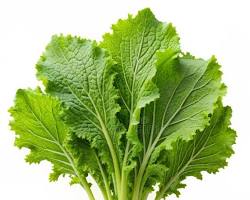
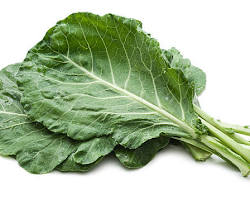
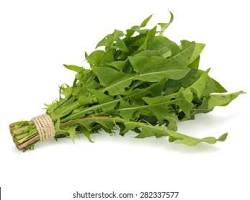
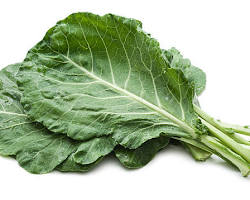
Leafy greens are usually the most important category in a herbivorous reptile diet. Strong staple greens should make up most of the bowl for many herbivorous species. Collard greens are widely considered one of the better staple greens for herbivorous reptiles. They are dependable, practical, and easy to build into a regular rotation. They are one of the foods many keepers return to because they help anchor the diet with something stronger than filler produce. Mustard greens are another strong option for rotation with collards and similar greens. They help diversify the bowl while still keeping quality high. They are especially useful when owners are trying to avoid feeding the same exact staple every day. Dandelion greens are often one of the best additions to an herbivore rotation. They are useful because they add variety while still fitting the profile of a more serious staple food rather than a decorative extra. Turnip greens can also be a strong part of the rotation. They help keep the plant base varied and reduce the chance that the entire diet becomes too narrow. Endive and escarole can be helpful supporting greens. They are often useful when owners want to broaden texture and flavor variety without moving too far away from safer plant based structure.
Vegetables that can support the diet
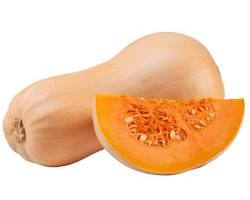
Vegetables can be useful, but they should usually play a supporting role rather than replacing the leafy green base. Butternut squash is a strong example of a supportive vegetable that can add variety and interest to the bowl. It is often well accepted and can help create a more balanced feeding pattern when used alongside staple greens. Some other squash options can work well in rotation. The important point is not to let them take over the bowl just because the reptile likes them. Carrots are commonly used, but they should be viewed as a supporting vegetable, not the base of the diet. They can add color and variety, but a bowl built around carrots is not the same as a bowl built around stronger greens.
Foods that are often overused
Some foods appear constantly in reptile feeding discussions because they are easy to find, easy to prepare, or commonly sold. That does not mean they deserve staple status. Fruit is one of the most overused categories in reptile feeding. Many herbivorous reptiles do not need a fruit heavy diet, and some should receive very little or none depending on species and husbandry philosophy. Fruit is often used because it increases enthusiasm for the bowl, but owner convenience and animal preference should not drive the whole plan. Lettuce as a main base is another common problem. Watery greens are often used as a bulk filler. That creates a bowl that looks large without delivering the same value as stronger staples. Some lighter greens can be used occasionally, but using them as the core of the diet is usually a weak approach. Repetitive single food diets are another issue. Even a good food becomes a problem if it is the only meaningful thing offered. A reptile that eats only one or two plant foods over time is not getting the benefit of deliberate variety.
How to build a safer herbivore bowl
A safer herbivore bowl should be built with intention. Start with staple greens. Make most of the bowl high quality leafy greens. This is the base. Add one or two supporting vegetables. Use vegetables such as squash or other appropriate items to broaden the mix without crowding out the core greens. Keep sweeter items limited. If fruit or sweeter vegetables are used, they should stay controlled. They should not train the reptile to expect a dessert bowl every day. Chop or prepare foods consistently. Food size and presentation matter more than many owners realize. Uniform preparation encourages better intake and helps keep the bowl balanced instead of allowing selective feeding. Watch actual eating patterns. A well built bowl still needs observation. Some reptiles pick favorites and ignore the rest. Owners need to notice what is actually being eaten, not just what was offered.
Common mistakes with herbivorous reptile diets
Confusing safe with optimal is the biggest mistake. A food that is not toxic can still be nutritionally weak as a staple. Overusing fruit is common because it increases enthusiasm. Strong nutrition does not always look exciting. Relying on convenience vegetables is another issue. Store availability often shapes owner choices more than nutritional logic. The best diet is not always the one built from whatever is easiest to grab. Ignoring rotation quality is also a problem. Variety helps, but random variety is not enough. Rotation should still center on strong plant choices. Letting the reptile dictate the menu completely causes trouble as well. Some reptiles consistently choose sweeter or softer items. That does not mean those foods should lead the diet.
Safe foods still need the right husbandry around them
Even the best herbivore bowl cannot fix poor overall care. Diet quality works together with heat, UVB, hydration, enclosure design, and activity level. A reptile with weak basking opportunity or poor lighting setup may not process its diet as well as expected. This is why strong reptile care always looks at husbandry as a connected system.
Owners should think of diet as one pillar among several. Good plant choices matter more when they are supported by appropriate lighting, thermal regulation, hydration opportunity, and species appropriate daily management. Food selection is important, but it should never be viewed as a substitute for complete husbandry.
Practical feeding mindset for long term success
The best herbivorous reptile diets are usually simple in structure but disciplined in execution. Most bowls should not be built from random leftovers or whatever seems colorful. They should be built from dependable staples, supported by useful rotation foods, and adjusted with the species in mind. When evaluating any food, ask whether it deserves regular use or only occasional use. Ask whether it improves the bowl or just makes it look more varied. Ask whether the overall pattern is strong, not just today's bowl. Long term nutrition is built from patterns, not isolated meals.
Final takeaway
The safest foods for herbivorous reptiles are usually not the sweetest or most convenient. They are the foods that consistently support a stronger diet over time. For most herbivorous reptiles, that means a foundation of quality leafy greens, smart use of supportive vegetables, limited sweeter items, and a feeding pattern built around long term husbandry rather than novelty. If owners focus on staples first, rotation second, and occasional foods last, they usually make better feeding decisions and build healthier routines for the reptile in their care.