How to Build a Better Reptile Diet
A practical guide to variety, staple foods, supplementation, and feeding decisions.
A better reptile diet starts with species appropriate feeding, not random food approval. The best diets are built around strong staples, useful variety, appropriate supplementation, and feeding decisions that reflect the animal's biology, age, and full husbandry setup. Owners who build diets this way usually get better long term results than those who rely on short food lists, convenience feeding, or whatever the reptile seems to enjoy most.
Many reptiles live on diets that are not immediately catastrophic but are still weaker than they should be. That is what makes feeding so tricky. A reptile may continue eating and functioning while the overall nutritional pattern remains sloppy. Over time, weak patterns become visible through condition, growth quality, shed quality, activity, or more obvious health decline. A stronger diet helps prevent those issues by making the daily feeding routine intentional.
Step one: know what kind of eater you are feeding
This sounds obvious, but a lot of diet mistakes begin here. Reptiles are often grouped together too broadly. Herbivores depend heavily on plant matter and should have a diet built around strong plant staples. Insectivores depend on insect based feeding and should not be managed as though any feeder is automatically good enough. Omnivores still require structure. Omnivore does not mean random foods from multiple categories thrown together without a plan. Carnivores or prey based feeders require an approach suited to whole prey or species specific animal based feeding. The first step toward a better diet is refusing to use generic reptile feeding logic. Start with the actual species.
Step two: build around staples, not just allowed foods
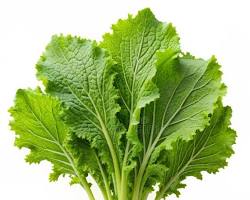
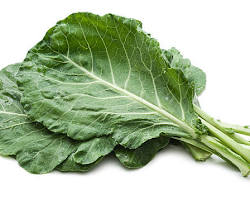
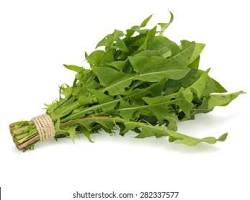
One of the most useful mindset shifts in reptile nutrition is moving from safe food thinking to staple food thinking. A food can be allowed but still not deserve a major role in the diet. Better diets are usually built from a short list of dependable staples supported by a wider rotation. For herbivorous reptiles, most of the diet should be built from stronger leafy greens and other quality plant choices. The bowl should be led by foods that deserve frequent use, not by whatever is colorful, watery, or sweet. For insect eating reptiles, staples often involve better feeder planning, feeder quality, and consistent support practices such as proper gut loading and supplementation. For omnivores, the exact structure still depends on the species. Better diets come from ratio discipline, not food category chaos.
Step three: use variety the right way
Variety is valuable, but it is also misunderstood. Some keepers hear that variety is good and then assume any changing mix of foods must be strong. That is not true. Good variety has structure. It expands nutrient coverage. It reduces overreliance on one item. It keeps the diet from becoming monotonous. It does not replace the strongest staples with weaker novelty foods. A better reptile diet uses variety to strengthen the base, not to distract from the lack of one. This is where many feeding plans quietly drift off course. Owners add more foods but not better foods.
Step four: stop overusing favorite foods
Reptiles often have preferences. That can be helpful for appetite, but it can also create feeding problems. Owners commonly overuse foods the reptile eagerly accepts, even when those foods are not the best daily choice. Examples include sweeter plant items, lower value produce, or easy feeder insects used too often out of habit. A better diet requires the owner to think like a manager, not just a server. The fact that a reptile wants a food does not automatically mean that food should dominate the plan. Appetite is useful information, but it is not the only thing that matters.
Step five: understand supplementation as support, not rescue
Supplements often play an important role in reptile nutrition, but they need to be part of a structured plan. They do not replace strong feeding decisions. A better diet asks whether the core food base is strong enough on its own. It asks whether supplementation is appropriate for the species and life stage. It asks whether it is being used consistently. It asks whether the rest of the husbandry plan supports nutrient use. Owners often either overestimate supplements or use them too casually. Better feeding means understanding what they are for and how they fit into the system.
Step six: connect diet to UVB and heat
This is where a lot of nutrition guides fall short. Reptiles do not process food in isolation from the environment. Diet quality depends in part on husbandry. For many species, especially those that rely on UVB, a strong diet still needs strong lighting and appropriate thermal opportunity. The reptile needs to be able to use the enclosure in a way that supports normal physiological function. This means better diet planning includes questions such as whether the basking setup is correct, whether UVB is appropriate for the species, whether the reptile can thermoregulate effectively, and whether hydration is being supported properly. A food bowl cannot carry the full burden of husbandry.
Step seven: match the diet to life stage
A hatchling, juvenile, and adult may not all be fed the same way. Better diet planning takes life stage seriously. Growing reptiles often have different feeding intensity, different nutritional pressures, and less room for sloppy routines. Adult animals may need a more maintenance oriented pattern. Owners who ignore life stage often end up following care advice that sounds correct but is aimed at the wrong developmental phase. Even within the same species, the feeding rhythm can change substantially over time. Better keepers plan for that instead of clinging to one schedule forever.
Step eight: make feeding practical enough to be consistent
One of the hidden parts of a better reptile diet is owner consistency. A perfect theoretical plan that the owner cannot sustain is weaker than a very good plan that can be followed every day. This is why practical feeding systems matter. Keep staple foods stocked reliably. Rotate a manageable number of support foods. Prep food in a repeatable way. Keep supplementation organized. Avoid building a plan around rare purchases or unrealistic effort. Good reptile nutrition should be disciplined, but it should also be practical enough to last. A sustainable feeding system almost always outperforms a complicated plan that falls apart after two weeks.
Common diet mistakes to avoid
Feeding by internet hype is one problem. Popular food lists are not the same as species specific diet planning. Building the diet around treats or favorites is another. Preference should not become policy. Confusing non toxic with beneficial is a common error. A food that is safe is not always a staple. Using no structure at all is another problem. Random variety is not a system. Ignoring the enclosure and lighting context is also a major mistake. A diet should be judged inside the full husbandry setup. Owners who fixate only on the bowl often miss the reason their reptile is not doing as well as expected.
A simple framework for better reptile feeding
To improve a reptile diet, use this order of operations:
- Define the species and life stage.
- Identify the strongest staple foods or feeders.
- Add useful rotation options.
- Limit lower priority foods.
- Set a supplementation routine that matches the species.
- Verify the husbandry around the diet, especially UVB and heat.
- Monitor real world intake and body condition over time.
This kind of framework works because it turns reptile feeding into a structured practice instead of a guessing game. It gives owners a system they can review and improve rather than a pile of disconnected food ideas.
Better questions to ask about any reptile diet
What is this reptile supposed to eat most often. Which foods or feeders are carrying the diet right now. Is variety helping or just making the bowl look more interesting. Am I relying on convenience too much. Does my supplementation routine make sense. Is the reptile's environment supporting good nutrition. These are the questions that push feeding quality upward. They also help owners move away from emotional feeding decisions and toward husbandry based decisions.
Final takeaway
A better reptile diet is built from structure, not luck. Strong staples, useful variety, appropriate supplementation, and species specific planning all matter. So does the environment around the diet, including UVB, heat, and hydration. Owners who stop chasing one off food answers and start building a repeatable feeding system usually make better decisions and support stronger long term health for the reptiles in their care.